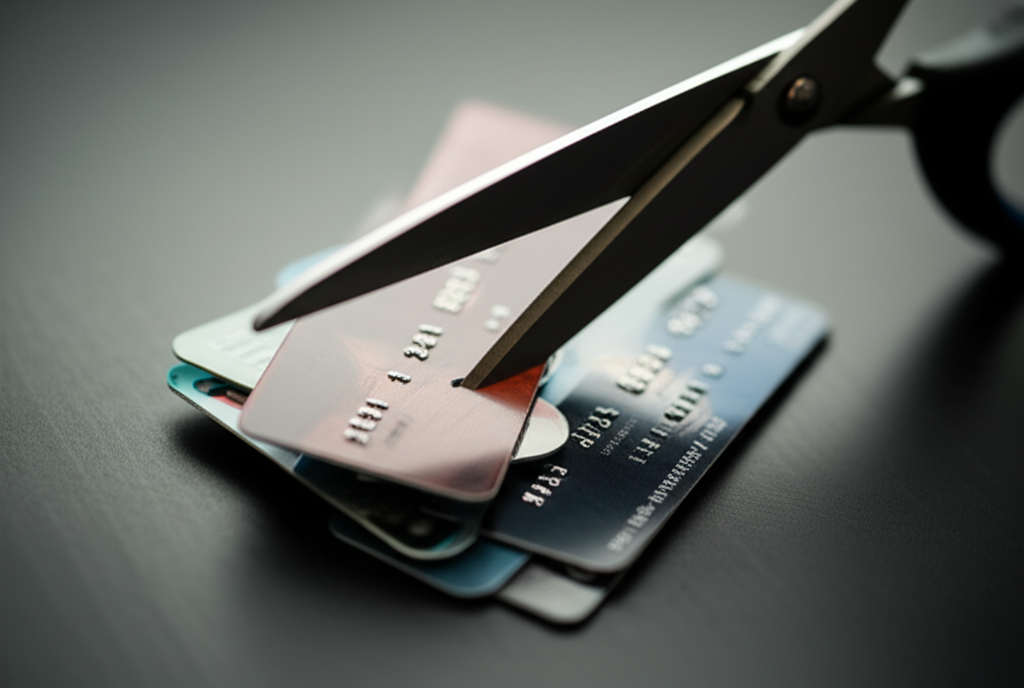
Are you looking to tighten your budget and increase your savings in 2026? Reducing monthly bills is one of the most effective ways to free up cash for your financial goals, whether that’s building an emergency fund, paying off debt, or saving for a dream vacation. The good news? You don’t have to sacrifice your quality of life to make it happen. In this article, we’ll explore 22 brilliant, actionable strategies to slash your monthly expenses and supercharge your savings. Let’s dive in!
Audit Your Monthly Expenses
Before you can cut costs, you need to know where your money is going. Start by reviewing your bank statements and credit card bills for the past three months. Categorize your spending into essentials (like rent and groceries) and non-essentials (like streaming subscriptions or dining out). This audit will reveal areas where you can trim the fat.
Negotiate Your Bills
Many people don’t realize that bills like internet, cable, and even insurance premiums are often negotiable. Call your service providers and ask for a better rate or a loyalty discount. Mention competitors’ offers if you’ve done your research—it can give you leverage. You’d be surprised how often companies are willing to lower your rate to keep your business.
Switch to a Cheaper Cell Phone Plan
If you’re still with a major carrier paying premium prices, consider switching to a budget-friendly provider or a prepaid plan. Many smaller carriers offer the same network coverage for a fraction of the cost. Look for plans under $30 a month that still meet your data needs.
Cut the Cord on Cable
With streaming services like Netflix or Hulu (and free options like YouTube), there’s little reason to keep an expensive cable package. Evaluate what you actually watch and opt for a more affordable streaming alternative. You could save $50–$100 a month by cutting the cord.
Bundle Your Insurance Policies
If you have separate policies for auto, home, or renters insurance, bundling them with one provider can save you 10–25% on premiums. Shop around for quotes and ask about bundle discounts to lower your monthly costs.
Lower Your Energy Bills
Energy costs can add up, especially during extreme weather. Simple changes like using LED bulbs, unplugging devices when not in use, and adjusting your thermostat by a few degrees can make a big difference. Consider a programmable thermostat to automate savings.
Refinance High-Interest Debt
If you’re carrying credit card debt or a personal loan with a high interest rate, refinancing to a lower rate can reduce your monthly payments. Look into balance transfer cards with 0% introductory APR offers or personal loans with better terms to save on interest.
Shop Around for Better Rates
Don’t settle for the first quote you get on services like insurance, internet, or even banking fees. Comparison shopping can uncover cheaper options without sacrificing quality. Use tools like price comparison websites to find the best deals.
Cancel Unused Subscriptions
From gym memberships to magazine subscriptions, it’s easy to forget about recurring charges you no longer use. Use a subscription tracking app to identify and cancel anything you don’t need. Redirect that money straight to your savings account.
Switch to a High-Yield Savings Account
If your savings are sitting in a traditional bank account earning next to nothing, you’re missing out. Switch to a high-yield savings account with an online bank—many offer interest rates 10–20 times higher than brick-and-mortar banks, helping your money grow faster.
Cook More Meals at Home
Dining out or ordering takeout can drain your budget. Commit to cooking at home most nights and batch-prepare meals to save time. You’ll not only cut food costs but also eat healthier, which can reduce medical expenses down the line.
Buy in Bulk for Essentials
For non-perishable items like toilet paper, cleaning supplies, or canned goods, buying in bulk at warehouse stores can save you a bundle. Just be mindful not to overbuy items you won’t use before they expire.
Use Cashback Apps and Credit Cards
Maximize every dollar you spend by using cashback apps like Rakuten or Ibotta and credit cards that offer rewards on everyday purchases. Pay off the balance in full each month to avoid interest, and watch the savings add up.
DIY Home Repairs and Maintenance
Instead of hiring professionals for every small fix, learn basic DIY skills for home maintenance. From unclogging drains to painting walls, YouTube tutorials can guide you through simple projects, saving hundreds on labor costs.
Reduce Water Usage
Lower your water bill by fixing leaks, installing low-flow showerheads, and being mindful of usage (like turning off the tap while brushing your teeth). Small changes can lead to noticeable savings over time.
Plan Your Shopping Trips
Impulse purchases can sabotage your budget. Make a shopping list before heading to the store and stick to it. Also, consolidate errands to save on gas and time.
Opt for Generic Brands
Whether it’s groceries, medications, or household items, generic brands often offer the same quality as name brands at a fraction of the cost. Give them a try—you might not even notice the difference.
Limit Convenience Purchases
Grabbing a coffee on the go or buying pre-packaged snacks might be convenient, but it’s costly. Brew your own coffee and pack snacks from home to avoid those small but frequent expenses.
Take Advantage of Free Community Resources
Many communities offer free resources like libraries (for books, movies, and internet), public parks, and local events. Use these to entertain yourself and your family without spending a dime.
Reassess Your Transportation Costs
If you own a car, consider whether public transportation, biking, or carpooling could reduce your monthly expenses. Even cutting down on driving a few days a week can save on gas, parking, and maintenance.
Set Up Automatic Savings Transfers
Make saving effortless by setting up automatic transfers from your checking to your savings account right after payday. Even $25 a month adds up over time, and you won’t miss what you don’t see.
Challenge Yourself to a No-Spend Month
Pick one month to avoid all non-essential spending. Use what you already have at home, eat from your pantry, and find free ways to have fun. The money you save can go straight to your financial goals.
Reducing monthly bills doesn’t mean living a life of deprivation. With these 22 strategies, you can trim expenses, boost your savings, and still enjoy the things that matter most to you. Start with one or two tips, build momentum, and watch your financial health improve in 2026. What’s your favorite way to cut costs? Share your thoughts in the comments below!