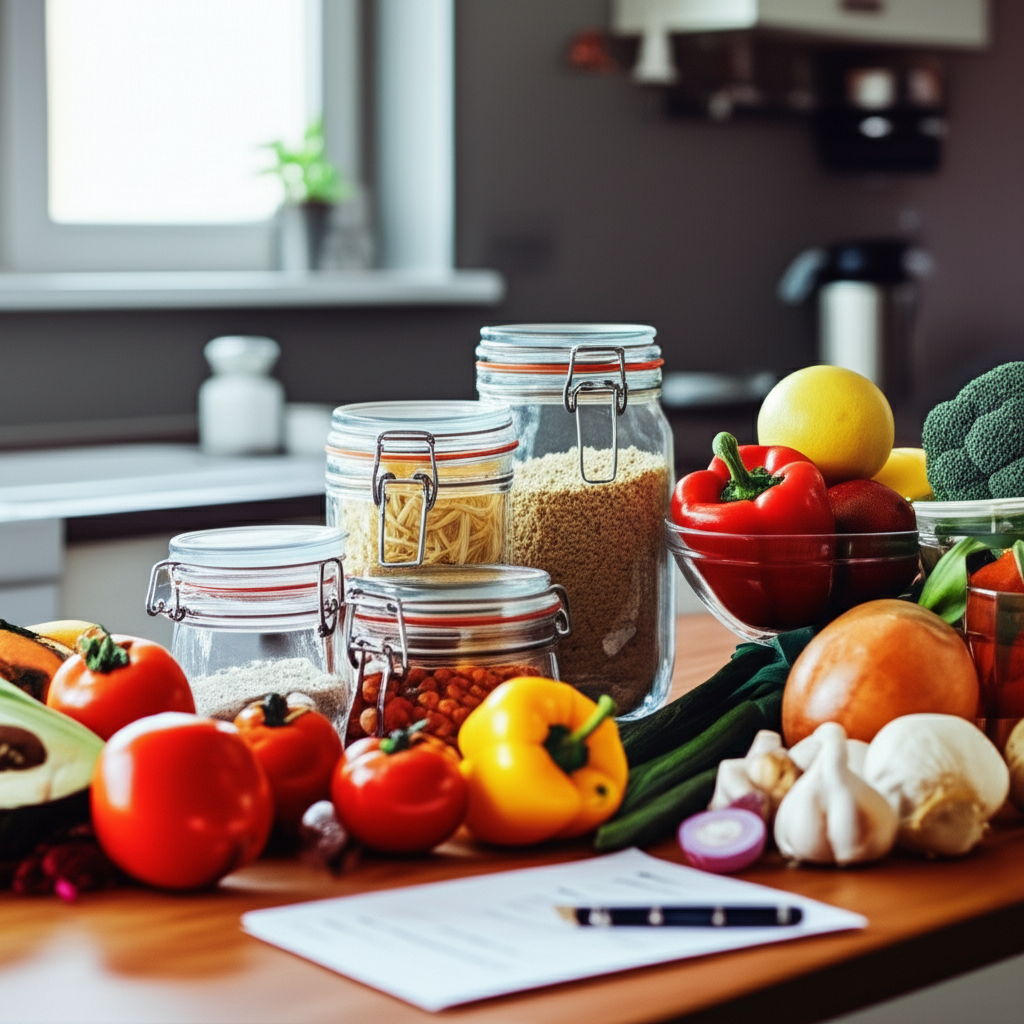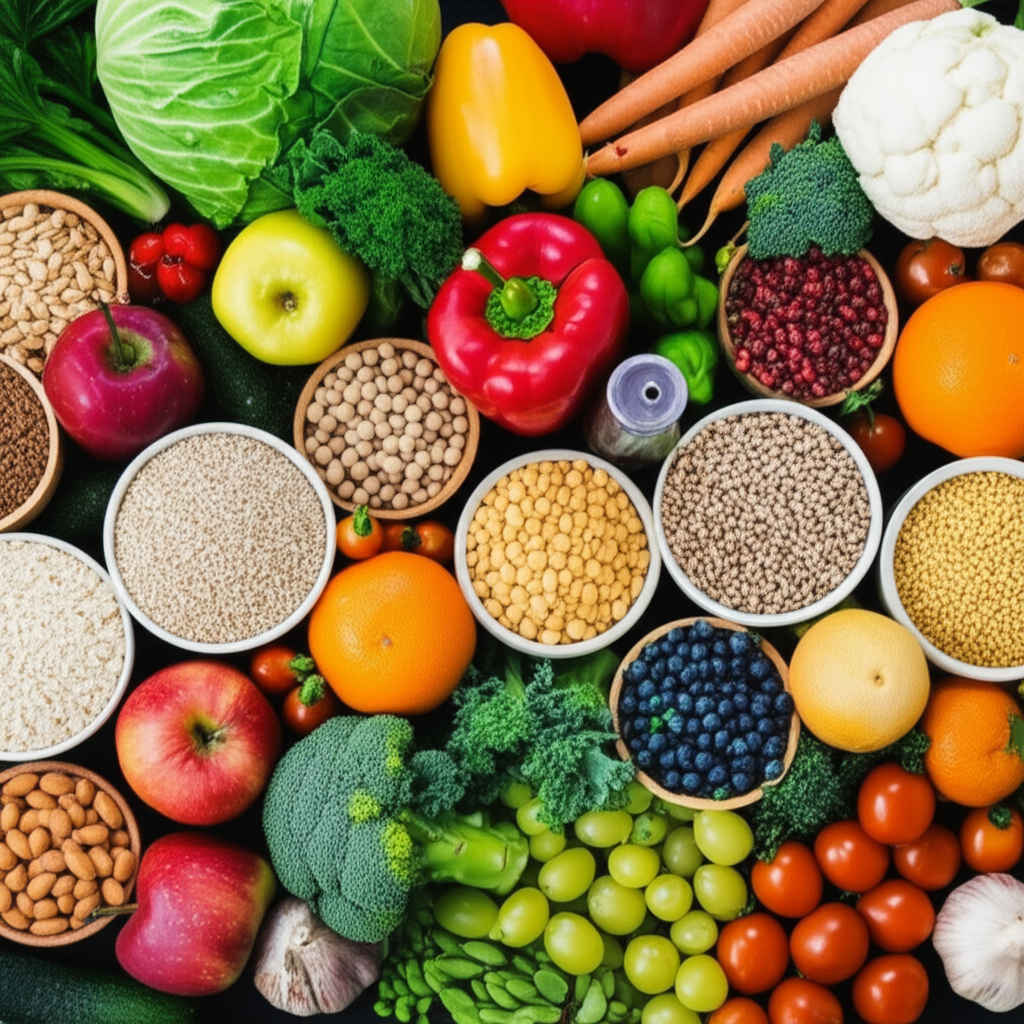
In 2026, with the cost of living continuing to challenge many households, finding ways to save money on food without compromising on nutrition is more important than ever. Food is a significant part of any budget, but with a few smart strategies, you can reduce your grocery bill while still eating healthy, delicious meals. Whether you're a seasoned frugal shopper or just starting to tighten your belt, these 39 practical tips will help you slash your food budget without sacrificing quality or nutrition.
Plan and Prep for Savings
One of the most effective ways to save on food costs is through planning and preparation. A little foresight can go a long way in preventing impulse buys and food waste.
- 1. Create a Weekly Meal Plan: Plan your meals for the week before shopping. This helps you buy only what you need and avoid last-minute takeout.
- 2. Stick to a Grocery List: Write a list based on your meal plan and resist the urge to stray from it in the store.
- 3. Check Your Pantry First: Before heading out, inventory your pantry and fridge to avoid buying duplicates.
- 4. Batch Cook Meals: Prepare large batches of soups, stews, or casseroles to freeze for later. This saves time and money.
- 5. Plan for Leftovers: Cook extra portions to use for lunches or repurpose into new dishes later in the week.
Shop Smarter, Not Harder
Where and how you shop can make a huge difference in your food budget. These tips will help you maximize savings at the store.
- 6. Shop Sales and Seasonal Produce: Buy fruits and vegetables that are in season for the best prices and freshness.
- 7. Use Store Loyalty Programs: Sign up for rewards programs to get discounts and exclusive deals.
- 8. Compare Prices: Check unit prices (price per ounce or pound) to ensure you're getting the best deal.
- 9. Buy in Bulk: Purchase non-perishable items like rice, beans, and pasta in bulk to save per unit.
- 10. Avoid Pre-Packaged Foods: Pre-cut veggies or ready-made meals often come with a hefty markup. Do the prep yourself.
- 11. Shop at Discount Stores: Check out stores like Aldi or Lidl for lower prices on staples.
- 12. Use Cashback Apps: Apps like Ibotta or Rakuten can offer rebates on grocery purchases.
- 13. Buy Store Brands: Generic brands are often just as good as name brands but cost significantly less.
- 14. Avoid Shopping Hungry: Eating before you shop helps prevent impulse purchases.
Maximize Nutrition on a Budget
Eating healthy doesn't have to be expensive. Focus on nutrient-dense foods that offer the most bang for your buck.
- 15. Prioritize Plant-Based Proteins: Beans, lentils, and chickpeas are cheaper than meat and packed with protein.
- 16. Buy Frozen Produce: Frozen fruits and vegetables are often just as nutritious as fresh and cheaper, especially out of season.
- 17. Opt for Whole Grains: Brown rice, quinoa, and oats are affordable and filling, providing long-lasting energy.
- 18. Limit Processed Snacks: Chips and cookies are costly and low in nutrition. Make your own snacks like popcorn or trail mix.
- 19. Use Eggs as a Protein Source: Eggs are an inexpensive, versatile, and nutrient-rich option for meals.
- 20. Buy Day-Old Bread: Many bakeries discount bread at the end of the day—freeze it to keep it fresh.
Reduce Waste to Save More
Food waste is money down the drain. These strategies will help you use every bit of what you buy.
- 21. Store Food Properly: Learn how to store produce to extend its shelf life, like keeping apples in the fridge.
- 22. Use Vegetable Scraps: Save peels and ends to make homemade vegetable stock for soups and stews.
- 23. Repurpose Stale Bread: Turn it into breadcrumbs, croutons, or bread pudding instead of tossing it.
- 24. Freeze Overripe Fruit: Blend bananas or berries into smoothies or bake them into muffins before they spoil.
- 25. Follow FIFO: Use the “First In, First Out” rule to eat older items before they expire.
Cut Costs on Dining Out
Eating out or ordering takeout can quickly derail your food budget. Try these tips to keep those costs in check.
- 26. Limit Restaurant Meals: Reserve dining out for special occasions and cook at home most of the time.
- 27. Pack Your Lunch: Bringing your lunch to work or school saves a fortune compared to buying meals daily.
- 28. Skip the Coffee Shop: Brew your coffee or tea at home instead of spending $5 a day at a café.
- 29. Host Potlucks: Instead of going out with friends, host a potluck where everyone contributes a dish.
- 30. Use Restaurant Deals: If you do eat out, look for happy hour specials or family meal deals.
DIY and Grow Your Own
Getting hands-on with your food can yield big savings while adding a fun, rewarding element to frugal living.
- 31. Make Your Own Staples: Bake bread, make yogurt, or prepare salad dressings to save money.
- 32. Grow Herbs Indoors: A small windowsill garden with basil or parsley can cut costs on fresh herbs.
- 33. Start a Vegetable Garden: Even a small plot or container garden can yield fresh produce for pennies.
- 34. Preserve Your Harvest: Learn to can, freeze, or dry excess produce to enjoy it year-round.
Leverage Community Resources
Look beyond the grocery store for ways to save on food through local resources and networks.
- 35. Join a Food Co-Op: Co-ops often offer lower prices on bulk goods and local produce.
- 36. Visit Farmers' Markets Late: Vendors may discount items near closing time to avoid taking leftovers home.
- 37. Use Food Sharing Apps: Apps like Olio connect you with neighbors sharing surplus food for free or cheap.
- 38. Check Community Gardens: Many offer free or low-cost produce to participants or locals.
- 39. Look for Food Pantries: If you're struggling, local pantries can provide essentials at no cost.
Final Thoughts on Slashing Your Food Budget
Cutting your food budget in 2026 doesn't mean giving up on healthy, enjoyable meals. By planning ahead, shopping smart, reducing waste, and tapping into community resources, you can save hundreds of dollars each year while still nourishing yourself and your family. Start small with a few of these tips and gradually incorporate more as you build your frugal habits. Your wallet—and your body—will thank you!
Which of these tips will you try first? Share your favorite budget-friendly meal ideas or grocery hacks in the comments below. Let's keep the conversation going and help each other save even more!