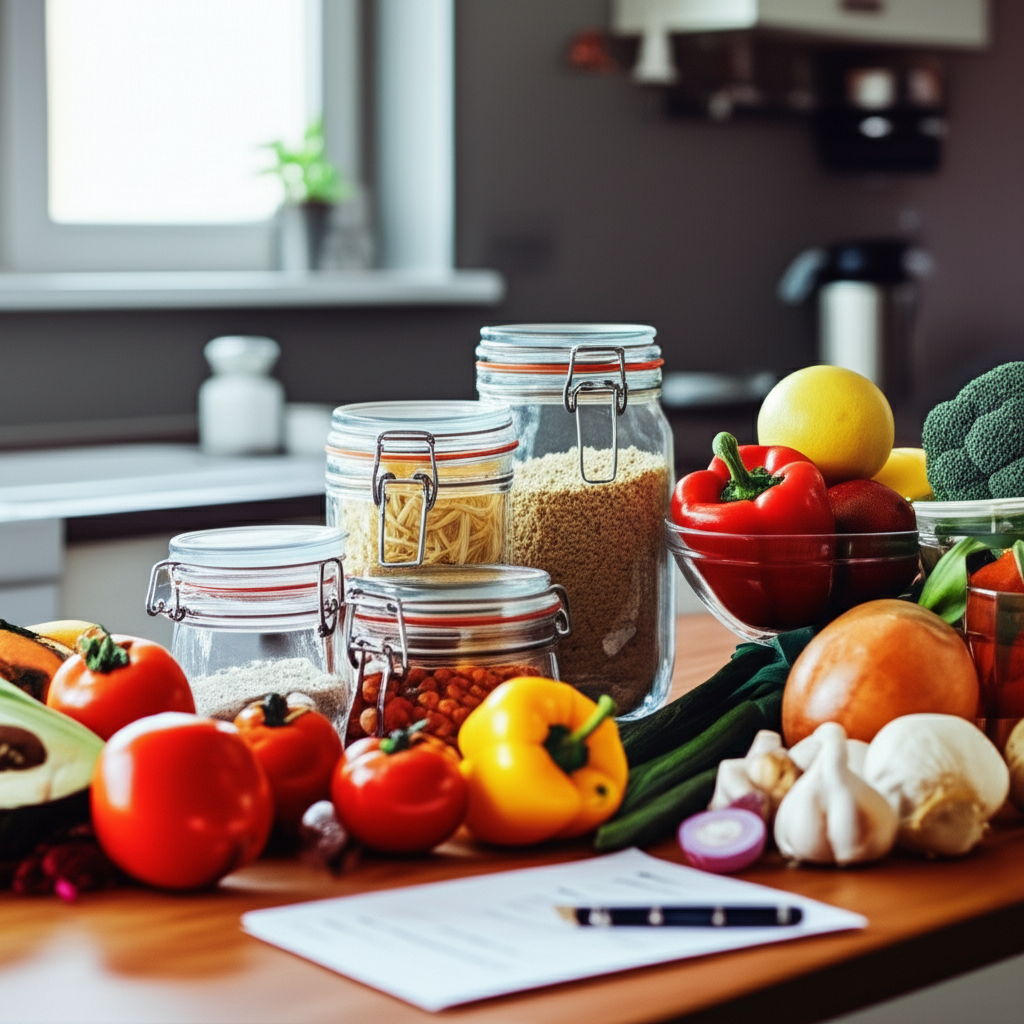
Food expenses can take a significant chunk out of your monthly budget, but with a little planning and creativity, you can enjoy delicious, nutritious meals without breaking the bank. Meal planning is a powerful tool for saving money, reducing food waste, and maintaining control over your finances. In this article, we’ll explore 10 budget-friendly meal planning tips to help you save money on food in 2026 while still eating well. Whether you’re a busy professional, a parent, or simply looking to cut costs, these strategies will transform the way you approach your grocery budget.
1. Plan Your Meals Around Sales and Seasonal Items
One of the easiest ways to save money on food is to base your meal plan on what’s on sale or in season. Check weekly flyers from your local grocery stores or use apps to find discounts on meat, produce, and pantry staples. Seasonal fruits and vegetables are often cheaper and fresher, so build your meals around these items. For example, in early spring, you might find great deals on asparagus or strawberries—incorporate them into your recipes for maximum savings.
2. Create a Weekly Meal Plan
Spontaneity can lead to overspending. By creating a weekly meal plan, you’ll know exactly what you need to buy and avoid impulse purchases. Sit down once a week (Sunday works well for many) and map out breakfast, lunch, dinner, and snacks for the next seven days. Stick to simple recipes with overlapping ingredients to minimize waste and keep costs low. A solid plan also helps you resist the temptation of takeout on busy nights.
3. Shop with a Grocery List—and Stick to It
Never head to the store without a list. Use your meal plan to write down exactly what you need, and commit to buying only those items. This prevents you from tossing unnecessary (and often expensive) extras into your cart. Pro tip: Organize your list by store aisle to save time and reduce the chance of wandering into tempting sections like the snack aisle.
4. Embrace Meatless Mondays
Meat is often one of the most expensive items in a grocery budget. Cutting back even one day a week with a “Meatless Monday” can add up to significant savings over time. Experiment with affordable protein sources like beans, lentils, tofu, or eggs. Not only are these options budget-friendly, but they’re also nutritious and versatile. Try a hearty lentil soup or a veggie-packed stir-fry to keep things exciting.
5. Buy in Bulk for Pantry Staples
For non-perishable items like rice, pasta, oats, and canned goods, buying in bulk can save you a bundle. Warehouse stores or even the bulk bins at your local supermarket often offer better per-unit prices. Just be sure to store items properly to avoid spoilage, and only buy what you know you’ll use. Bulk buying works best for staples you rely on regularly, not for trendy ingredients that might sit unused.
6. Cook in Batches and Freeze Extras
Batch cooking is a frugal living hack that saves both time and money. Prepare large portions of soups, stews, casseroles, or pasta sauces, then divide them into individual servings and freeze them. This not only cuts down on cooking time during the week but also prevents food waste. Plus, having ready-to-eat meals on hand means you’re less likely to order delivery when you’re too tired to cook.
7. Repurpose Leftovers Creatively
Don’t let leftovers go to waste—turn them into new meals! Roasted chicken from Monday’s dinner can become chicken salad for Tuesday’s lunch or a filling for Wednesday’s tacos. Cooked vegetables can be blended into soups or added to omelets. Get creative and think of leftovers as ingredients for your next dish. This stretches your food budget further and keeps meals interesting.
8. Limit Convenience Foods
Pre-packaged meals, snacks, and pre-cut produce might save time, but they come with a hefty price tag. Instead, opt for whole ingredients and do the prep work yourself. For example, buying a whole head of lettuce and washing it at home is far cheaper than grabbing a bag of pre-washed salad greens. Invest a little time in chopping, slicing, and portioning to save a lot of money.
9. Use Apps and Coupons for Extra Savings
Technology can be your best friend when it comes to saving on groceries. Apps like Flipp, Ibotta, or Rakuten offer cashback, digital coupons, and price comparisons to help you snag the best deals. Before shopping, check for coupons on items you already plan to buy—don’t let promotions lure you into unnecessary purchases. Combining app discounts with store sales can slash your grocery bill even further.
10. Grow Your Own Herbs and Veggies
If you have even a small space, consider growing your own herbs or vegetables. Basil, parsley, and mint are easy to grow on a windowsill, and they can save you from buying expensive fresh herbs at the store. If you’ve got a backyard or balcony, try planting tomatoes, lettuce, or zucchini. The upfront cost of seeds or starter plants is minimal compared to the savings over time, and homegrown produce tastes amazing.
Final Thoughts on Budget-Friendly Meal Planning
Meal planning doesn’t have to be complicated or restrictive—it’s all about being intentional with your food choices and spending. By incorporating these 10 tips into your routine, you can significantly reduce your grocery expenses while still enjoying tasty, satisfying meals. Start small by trying one or two strategies this week, like planning a few meals or skipping meat for a day, and build from there. Over time, these habits will become second nature, leaving you with more money in your pocket for other financial goals. How do you save on food costs? Share your favorite tips in the comments below!