Introduction: Why Transportation Costs Matter in Your Budget
Transportation is often one of the largest expenses in a household budget, second only to housing for many. Whether you’re commuting to work, running errands, or planning a road trip, the costs of fuel, maintenance, insurance, and public transit can add up quickly. In 2026, with fluctuating fuel prices and evolving urban landscapes, finding ways to cut transportation costs is more important than ever. Fortunately, with a little creativity and planning, you can save big without sacrificing mobility. In this article, we’ll explore 10 clever ways to reduce your transportation expenses and boost your savings.
1. Embrace Carpooling to Slash Fuel Costs
If you drive to work or school daily, consider carpooling with coworkers, neighbors, or friends. Sharing rides not only cuts down on fuel costs but also reduces wear and tear on your vehicle. Apps like BlaBlaCar or local community boards can help you find reliable carpool partners. Plus, you’ll be doing your part for the environment by reducing emissions—a win-win for your wallet and the planet!
2. Optimize Your Commute with Public Transit
Public transportation is often far cheaper than owning and maintaining a car. Many cities in 2026 offer monthly or annual passes that provide significant discounts compared to daily fares. Look for employer-sponsored transit programs or tax benefits that can further lower the cost. Bonus tip: Use transit apps to plan the most efficient routes and avoid unnecessary transfers.
3. Bike or Walk for Short Distances
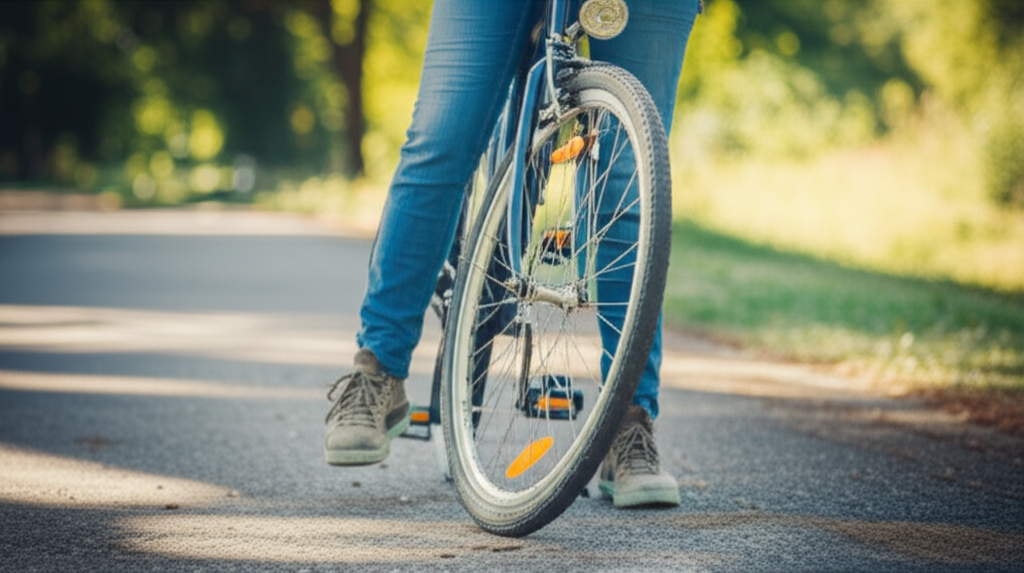
For shorter trips, ditch the car or bus and opt for biking or walking. Not only is this free, but it’s also a great way to stay active. If you’re worried about safety or weather, invest in affordable gear like reflective vests or a sturdy umbrella. Many urban areas now have bike-sharing programs that are low-cost or even free for the first few minutes of use.
4. Maintain Your Vehicle to Avoid Costly Repairs
Preventive maintenance can save you hundreds or even thousands of dollars in the long run. Regularly check your tire pressure, change your oil on schedule, and address small issues before they become major problems. DIY maintenance tasks, like replacing air filters, can be learned through online tutorials, saving you labor costs at the mechanic.
5. Shop Around for Cheaper Auto Insurance
Auto insurance is a necessary expense, but you don’t have to overpay. Take time to compare quotes from multiple providers every year or after major life changes (like moving or paying off your car). Look for discounts for safe driving, bundling with other policies, or even low-mileage plans if you don’t drive often. A few hours of research could save you hundreds annually.
6. Plan Errands to Minimize Trips
One of the easiest ways to cut transportation costs is to reduce the number of trips you take. Plan your errands in batches, combining grocery shopping, post office visits, and other tasks into a single outing. Map out the most efficient route to save on fuel and time. If possible, align these trips with your commute to avoid extra driving.
7. Use Fuel-Saving Driving Habits
Your driving style can significantly impact your fuel consumption. Avoid aggressive acceleration and braking, maintain a steady speed, and use cruise control on highways. Additionally, lighten your load by removing unnecessary items from your trunk—extra weight burns more fuel. Apps like Fuelly can help track your mileage and identify patterns to improve efficiency.
8. Consider a More Fuel-Efficient Vehicle
If your current car is a gas guzzler, it might be worth exploring a more fuel-efficient option. While buying a new or used car is a big decision, the long-term savings on fuel and maintenance can outweigh the upfront cost. Look for hybrid or electric vehicles, especially as charging infrastructure improves in 2026. Take advantage of government rebates or tax credits for eco-friendly cars to sweeten the deal.
9. Leverage Ride-Sharing Apps Strategically
Ride-sharing services like Uber or Lyft can be expensive if used daily, but they’re often cheaper than owning a car for occasional trips. Use them strategically—opt for shared rides to split the cost, and always check for promo codes or discounts before booking. If you live in a city with good public transit, use ride-sharing only for the last mile of your journey to keep costs down.
10. Work from Home When Possible
One of the most effective ways to cut transportation costs is to eliminate the need to commute altogether. If your job allows, negotiate a work-from-home arrangement for at least part of the week. With remote work tools more advanced than ever in 2026, many employers are open to hybrid schedules. Fewer commutes mean less spent on fuel, transit fares, and vehicle upkeep.
Final Thoughts: Small Changes, Big Savings
Cutting transportation costs doesn’t mean you have to give up convenience or mobility. By making small, intentional changes—like carpooling, maintaining your vehicle, or working from home—you can save hundreds or even thousands of dollars each year. Start with one or two of these tips and gradually incorporate more as they fit your lifestyle. Your budget will thank you, and you’ll be one step closer to financial freedom in 2026!