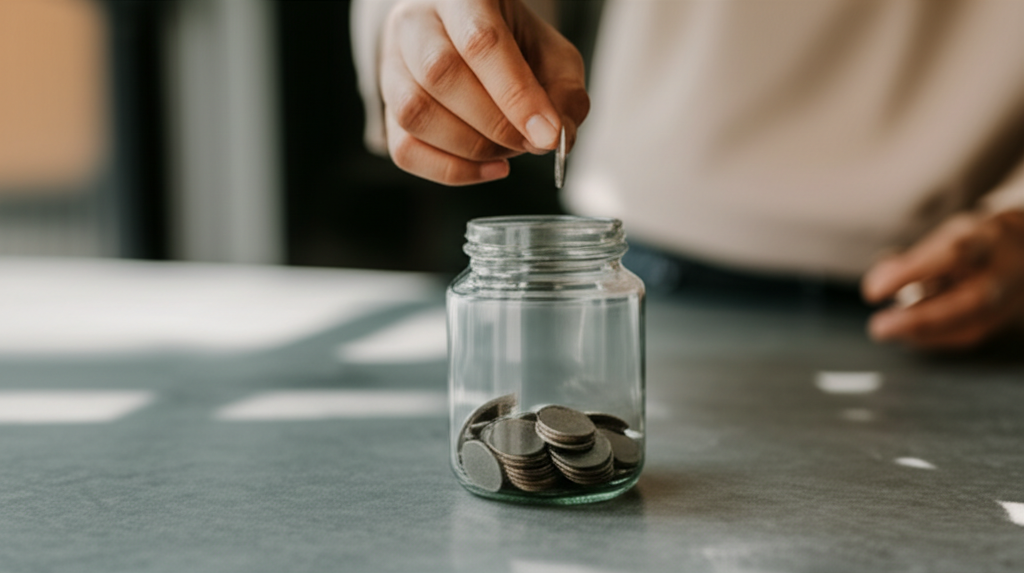
Building sustainable habits is the foundation of long-term savings and financial stability. If you want to make a real difference in your bank account without giving up the things you enjoy, adopting some frugal practices is actually easier than you might think. This guide walks through practical tips that actually work—you'll see how small, consistent changes add up to serious savings over the months and years.
Getting Started with Budgeting
Before trying specific money-saving tricks, you need a solid budget. Think of it as a roadmap for every dollar you earn. List your monthly income, then break down expenses into what you must have (rent, utilities, groceries) versus what you want (dining out, streaming services, new clothes). Spreadsheets work fine, or you can download one of the free budgeting apps that connect to your bank.
The 50/30/20 rule is a good starting point: put 50% toward needs, 30% toward wants, and 20% toward savings and paying off debt. I like this method because it's simple to follow while still leaving room for enjoyment. Check your budget weekly or monthly to stay on track—things change, and your plan should too.
Cutting Costs on Daily Expenses
Those small purchases you make without thinking often end up being the biggest drain. Grocery shopping is usually the easiest place to start saving. Plan your meals for the week before you go to the store, make a list based on what you already have at home, and stick to it. Generic brands taste just as good as name brands for most items, and you'll often pay half the price.
Buying in bulk makes sense for non-perishables you actually use—rice, pasta, toilet paper, cleaning supplies—but only if you have storage space and won't let things expire. I've found this typically saves 20-30% compared to buying smaller packages. Watch for sales cycles too; end-of-season clearances and holiday promotions are real opportunities to stock up.
- Track every purchase for a month using a simple app like Mint or even a notebook—you'll spot patterns you didn't notice before.
- Cashback apps like Rakuten give you money back on purchases you'd make anyway.
- Set a monthly limit on dining out and challenge yourself to cook at home more often.
Here's something most people don't do: call your service providers and ask for better rates. Internet, phone, insurance—companies often have unadvertised discounts for customers who ask. You'd be surprised how often it works.
Saving Money on Home and Utilities
Your home is probably your biggest expense, so there's real money to save here. Vampire energy—electricity used by devices on standby—can quietly add 10% to your utility bill. Unplug things you're not using or get smart power strips. Switching to LED bulbs costs more upfront but uses far less electricity and they last years longer.
Adjust your thermostat by a few degrees. I keep mine at 68 in winter and 76 in summer—comfortable enough, but my heating and cooling bills dropped noticeably. Fix leaks promptly; a dripping faucet can waste over 3,000 gallons a year. Wash clothes in cold water and only run full loads.
- Repurpose glass jars as storage instead of buying containers.
- Learn basic DIY repairs—YouTube makes it easy to fix minor plumbing issues or patch drywall yourself.
- Growing herbs on a windowsill is surprisingly easy and saves you money on those expensive packets at the grocery store.
For clothing, build a capsule wardrobe with pieces that mix and match easily. Thrift stores and online resale sites have quality items at a fraction of retail prices. Same goes for household items—buying used when appropriate beats paying full price.
Finding Deals and Shopping Smart
Coupons and sales are useful tools, but they work best when you're already planning to buy something. Subscribe to retailer newsletters for exclusive deals, but be careful—companies want you to spend more. Browser extensions like Honey automatically find coupon codes at checkout, which is convenient.
Seasonal shopping really does pay off. Buy winter coats in March, garden furniture in September, and back-to-school supplies in October. Stack store sales with manufacturer coupons for the best possible price. Price matching policies at major retailers mean you don't have to shop around.
- Wait 24 hours before buying anything non-urgent—you'll often decide you don't need it.
- Loyalty programs are worth it if you shop somewhere frequently.
- Barter with neighbors: trade gardening help for homemade baked goods, or dog-sitting for a favor in return.
Building Long-Term Wealth
Frugal living isn't about being cheap—it's about making choices that build real security. An emergency fund covering 3-6 months of expenses protects you from unexpected costs. Set up automatic transfers to a high-yield savings account so you save without thinking about it.
Invest early and consistently, even in small amounts. Low-cost index funds have historically performed well, and tax-advantaged accounts like a 401(k) or IRA help your money grow faster. If you have debt, the snowball method—paying off small balances first for quick wins—keeps you motivated to keep going.
- Check your financial goals every three months and adjust your habits if needed.
- Read one personal finance book or follow one solid blog to keep learning.
- Celebrate small milestones along the way—it keeps you motivated.
Start with one or two changes this week. Maybe that's meal planning for groceries, or calling your internet provider. Once those become routine, add more. Your financial situation will look completely different a year from now.
2026 Update
Inflation has continued affecting everyday costs, making frugal habits more valuable than ever. High-yield savings accounts now offer around 4-5% APY, so automating your savings is more rewarding. Several budgeting apps have added AI features that categorize spending automatically, making it easier to spot areas where you can cut back without the manual work.