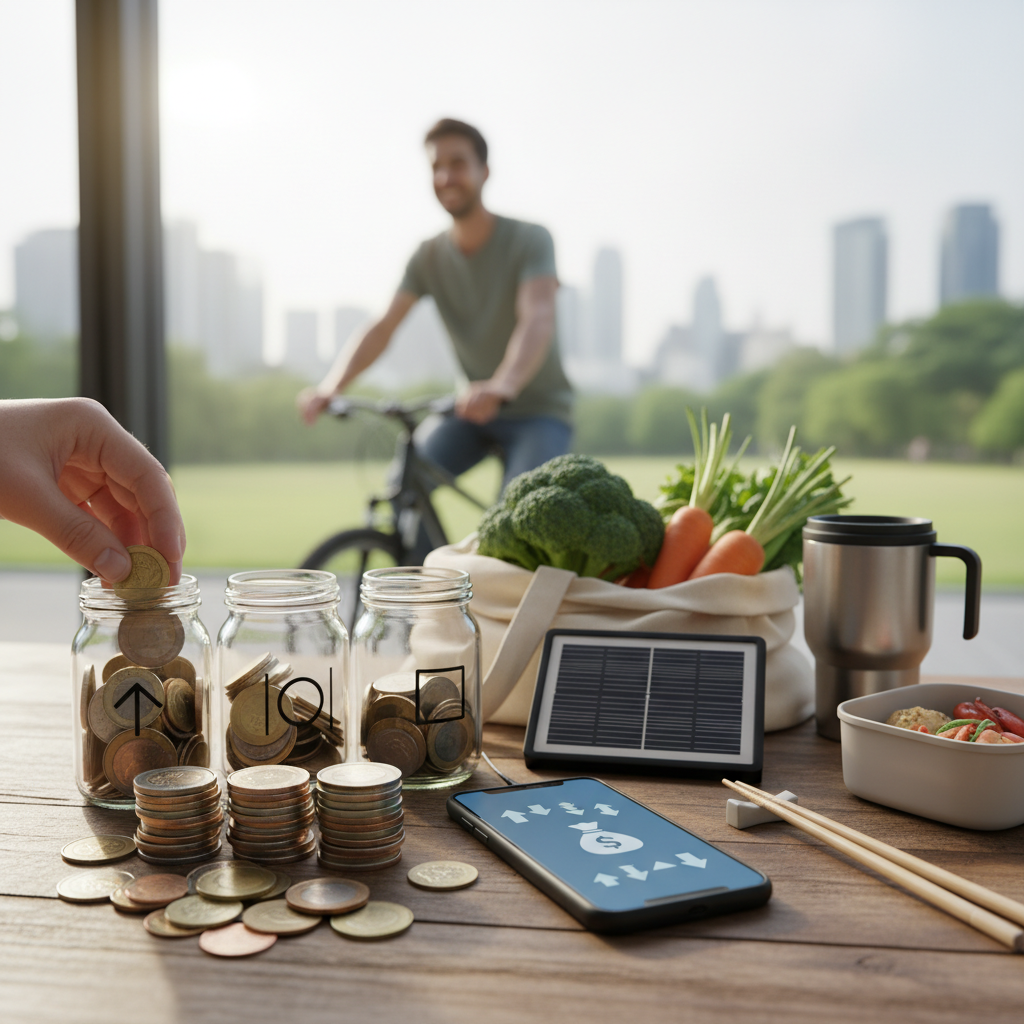
Most people think saving money requires dramatic changes, but I've found the opposite is true. The small decisions we make every day—often without thinking—add up faster than any big lifestyle overhaul. If you want to build genuine financial security, starting with practical changes to your routine works better than extreme budgeting.
Why Simple Changes Work Better Than Extreme Budgeting
I've talked to plenty of people who try to overhaul their entire financial life overnight. They last about three weeks before reverting to old habits. The problem isn't motivation—it's sustainability. Making one or two deliberate switches each week feels manageable, and those changes stick.
Here's what surprises most people: households that consistently make simple money-saving changes cut their monthly expenses by 10-15% on average. That's not nothing—for a family bringing home $5,000, we're talking $500-$750 more each month. The key is picking changes that don't feel like sacrifice. Switching to reusable items, for example, saves money and happens to be better for the environment. You're not deprivation; you're just being intentional.
Start by watching where your money actually goes. Spend one week tracking every purchase, even the small ones. You'll spot patterns—maybe you're buying coffee every morning, or paying for subscriptions you forgot you had. Those are your opportunities.
Grocery Shopping That Saves Without Sacrificing Quality
Groceries are where most households bleed money, and it's also where simple changes make the biggest difference. The store brand versus name brand debate ends quickly once you actually compare ingredients. Most store-brand products are made by the same companies as the expensive labels—you're paying for the marketing, not the quality. Expect to save 20-30% by choosing generic on staples like pasta, canned tomatoes, and dairy.
Seasonal produce is another easy win. I'm always amazed when people pay $5 for strawberries in January when they're $2 in July. Build your meal plans around what's actually ripe right now, not what looks pretty on the grocery store display. Winter squash, root vegetables, and citrus are cheap in cold months. Summer brings berries, corn, and stone fruits at peak affordability.
Bulk buying works if you're honest with yourself about storage and waste. I used to buy rice in bulk and throw half of it out because we never used it fast enough. Now I stick to non-perishables we actually go through—tuna, canned beans, oatmeal. Apps like Flipp help you stack coupons and time purchases with sales cycles, which can nearly cut your grocery bill during stockpile weeks.
The home-cooked lunch habit alone can save you $1,500 or more per year. That's a decent vacation. Batch cooking on Sunday afternoon solves the "too tired to cook" problem that sends people to the drive-through.
- Make your own snack bars with oats, nuts, and honey instead of buying processed packages.
- Frozen fruits and vegetables often retain more nutrients than fresh produce that's been shipped across the country.
- Plan around sales, not cravings—check weekly store flyers before writing your list.
Household Items and Utilities: The Invisible Savings
Once you've optimized groceries, look around your home. The things you use every day—often without thinking—are quietly draining your budget.
LED bulbs cost more upfront than incandescent, but they last 25 times longer and use 75% less energy. For a typical household, swapping all bulbs saves around $1,000 over the bulb's lifetime. Smart plugs and programmable thermostats take this further—you can set heating to drop when you leave for work and warm up before you return. Some people see 50% reductions on their electricity bills with minimal lifestyle change.
Cleaning supplies are a racket. You're paying for branding and water, mostly. Vinegar, baking soda, and basic dish soap handle 90% of household cleaning at a fraction of the cost. I've used this combination for years and have never missed the $8 spray bottles. Essential oils add a pleasant scent if that's important to you.
Subscription auditing is painful but necessary. I found three streaming services I hadn't used in six months. That's $50/month—or $600/year—I was literally giving away. Libraries offer movies, music, ebooks, and often free museum passes. Cancel what you don't use, or rotate services so you're only paying for one at a time.
Water-saving showerheads are cheap and effective. Insulating older windows and doors can cut heating costs 10-20% annually. These aren't glamorous fixes, but they work.
- Washable cleaning cloths replace paper towels for most jobs.
- Rechargeable batteries pay for themselves within a year of regular use.
- Most utility companies offer free energy audits—take them up on it.
Daily Habits That Actually Build Wealth
Your routines matter more than any single financial decision. Small habits repeated daily either build wealth or drain it—there is no neutral ground.
Transportation costs add up fast. If you live somewhere with decent public transit, using it even a few days a week saves hundreds in gas, parking, and wear on your car. Biking to work is free and solves the gym membership question simultaneously. Even carpooling with a coworker splits costs and makes commutes more interesting.
Entertainment spending is where discipline gets tested. I'm not saying never go out—I'm saying notice how often you spend $50 on a dinner and movie without planning it. Community events, hiking, visiting friends, and library programs are free and often more enjoyable than expensive outings. The 24-hour rule for online purchases is simple: add something to your cart, wait a day, then decide if you still want it. Most of the time, the urge passes.
Switching to cash or debit for discretionary spending feels limiting, but it works. Watching physical money leave your wallet changes behavior in a way that swiping a card doesn't. One no-spend day per week gives your budget breathing room and forces meal planning.
- Automate savings transfers so you never see that money in your checking account.
- Use budgeting apps like YNAB or Monarch to see exactly where every dollar goes.
- Building an emergency fund first removes the anxiety that leads to reactive spending.
Making These Changes Stick
Here's what I've learned after years of helping people with their finances: the perfect budget means nothing if you can't follow it. Start with whichever change feels easiest. Master that for a month. Then add another. You don't need to transform everything at once.
The goal isn't perfection—it's progress. Every dollar you save by making smarter choices in your daily life is a dollar that works for your future instead of someone else's profits. Track what you're saving. Watch the numbers grow. That's genuinely motivating.
2026 Update
As of early 2026, grocery costs have stabilized somewhat after the inflation spikes of the past few years, but store brand quality continues to improve across most categories. Energy costs remain volatile—smart thermostats and LED upgrades are more valuable than ever. Several budgeting apps now integrate AI categorization, making it easier than ever to see exactly where money goes. If you haven't reviewed your fixed expenses this year, now's the time.