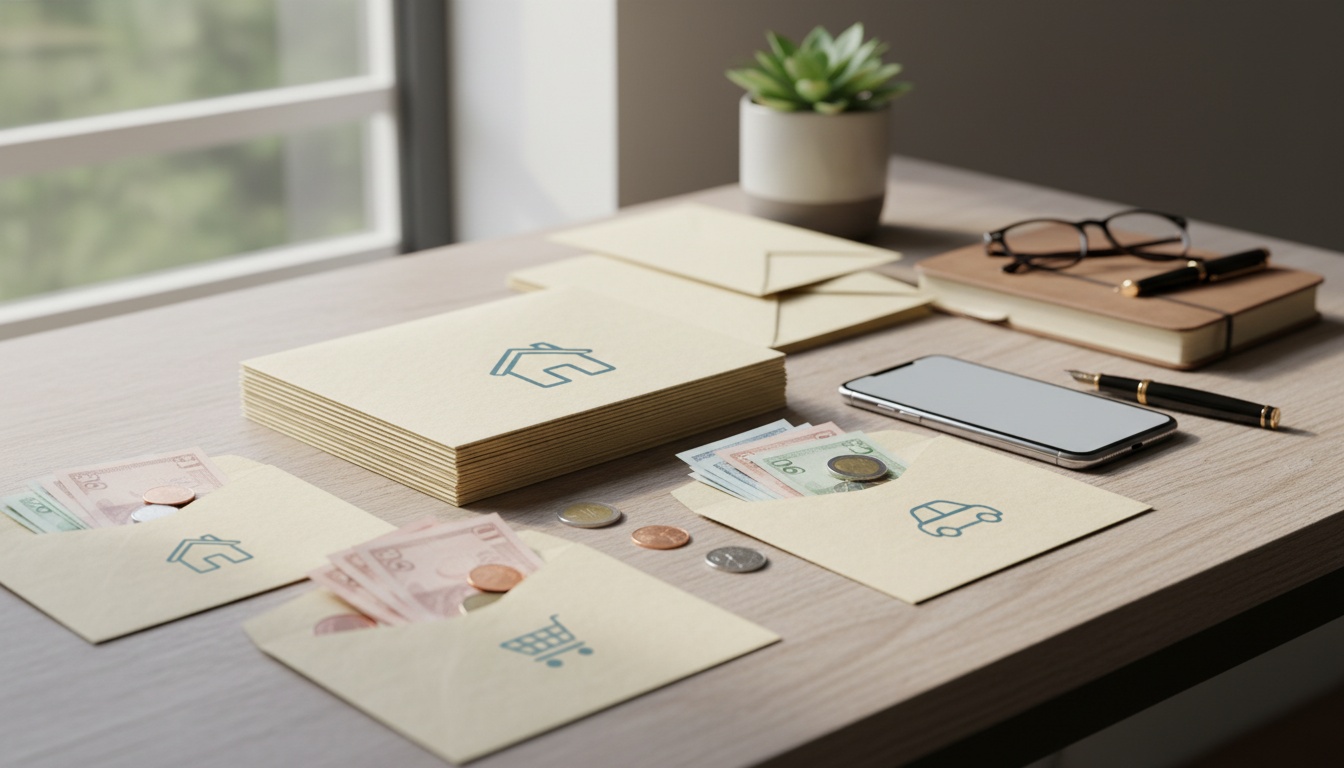
In a world of budgeting apps and digital trackers, the envelope budgeting system stands out as a practical, hands-on approach that can bring clarity and discipline to your personal finances. If you’re struggling to stay on top of your spending or seeking a tangible way to manage money, envelope budgeting may offer the solution you’ve been searching for.
What Is Envelope Budgeting?
Envelope budgeting is a straightforward method that involves allocating your money into physical envelopes - each representing a specific spending category. Once an envelope is empty, you must wait until the next month or pay period to replenish it. This technique provides a visual and tactile reminder of your financial limits, making it harder to overspend.
Why Envelope Budgeting Still Works
Despite the rise of digital tools, envelope budgeting remains relevant for several reasons:
- Visual discipline: With cash in hand, you can easily see when funds are running low.
- Limits impulse spending: The physical barrier makes it more difficult to splurge.
- Customizable: You control the categories and amounts for each envelope.
- Ideal for families: Simple for all household members to understand and participate.
Setting Up Your Envelope Budget
Follow these steps to get started:
- List your categories: Typical envelopes include groceries, transportation, entertainment, dining out, and miscellaneous.
- Decide on monthly amounts: Review your income and expenses to determine how much to allocate to each envelope.
- Withdraw cash: At the start of the month or pay period, withdraw the total amount you’ve budgeted.
- Fill your envelopes: Divide the cash among the envelopes according to your chosen categories.
- Spend from the envelopes: Use only the cash in each envelope for its designated purpose.
For example, if you’ve set $300 for groceries, put that exact amount in the grocery envelope. If you run out, you’ll need to adjust meals or wait until the next month before restocking.
Modern Variations: Digital Envelope Budgeting
If you prefer not to carry cash, digital envelope budgeting can offer similar benefits. Apps like Goodbudget and Mvelopes allow you to set up virtual envelopes, track spending, and reinforce limits. You can still assign categories and monitor balances, but transactions are digital rather than physical.
Some families use a hybrid approach - physical envelopes for everyday expenses (like groceries) and digital tracking for recurring bills (like utilities and rent).
Envelope Budgeting Tips for Success
- Be realistic: Analyze your spending history to set accurate limits. Under-budgeting can lead to frustration.
- Stay flexible: If you have leftover cash in one envelope, consider rolling it over or reallocating it to another category.
- Review regularly: At month’s end, assess your spending patterns and adjust envelope amounts as needed.
- Involve the whole family: Teach kids about budgeting using their own envelopes for allowances or activities.
- Track every dollar: Don’t “borrow” from one envelope to cover another - stick to your plan for best results.
Common Challenges and How to Overcome Them
Envelope budgeting isn’t without its hurdles. Here’s how to address common issues:
- Irregular expenses: Create a "miscellaneous" or "emergency" envelope to handle surprises.
- Credit card habits: Challenge yourself to go cash-only for discretionary spending and use cards only for fixed bills.
- Security concerns: Don’t carry all envelopes with you. Keep them in a safe place at home, and only take the one you need.
- Expense splitting: For shared costs (like family outings), set clear rules on which envelope to use.
Envelope Budgeting for Frugal Living
This method aligns perfectly with frugal living principles. By forcing you to stay within strict limits, envelope budgeting cultivates mindful spending and helps you prioritize needs over wants. It also ensures you’re not spending money you don’t have - reducing the risk of debt and promoting financial stability.
Envelope budgeting can be especially powerful for those seeking to:
- Break free from paycheck-to-paycheck cycles
- Save for specific goals (like vacations or emergencies)
- Control variable expenses (like dining out or entertainment)
Conclusion: Why Try Envelope Budgeting?
If you want to take control of your finances, save more money, and live frugally, envelope budgeting is a time-tested strategy worth considering. Whether you use cash or digital envelopes, the core principles - planning, discipline, and transparency - can help you achieve your budgeting goals and build a solid financial foundation.
Give envelope budgeting a try and see how this simple method can transform your relationship with money.