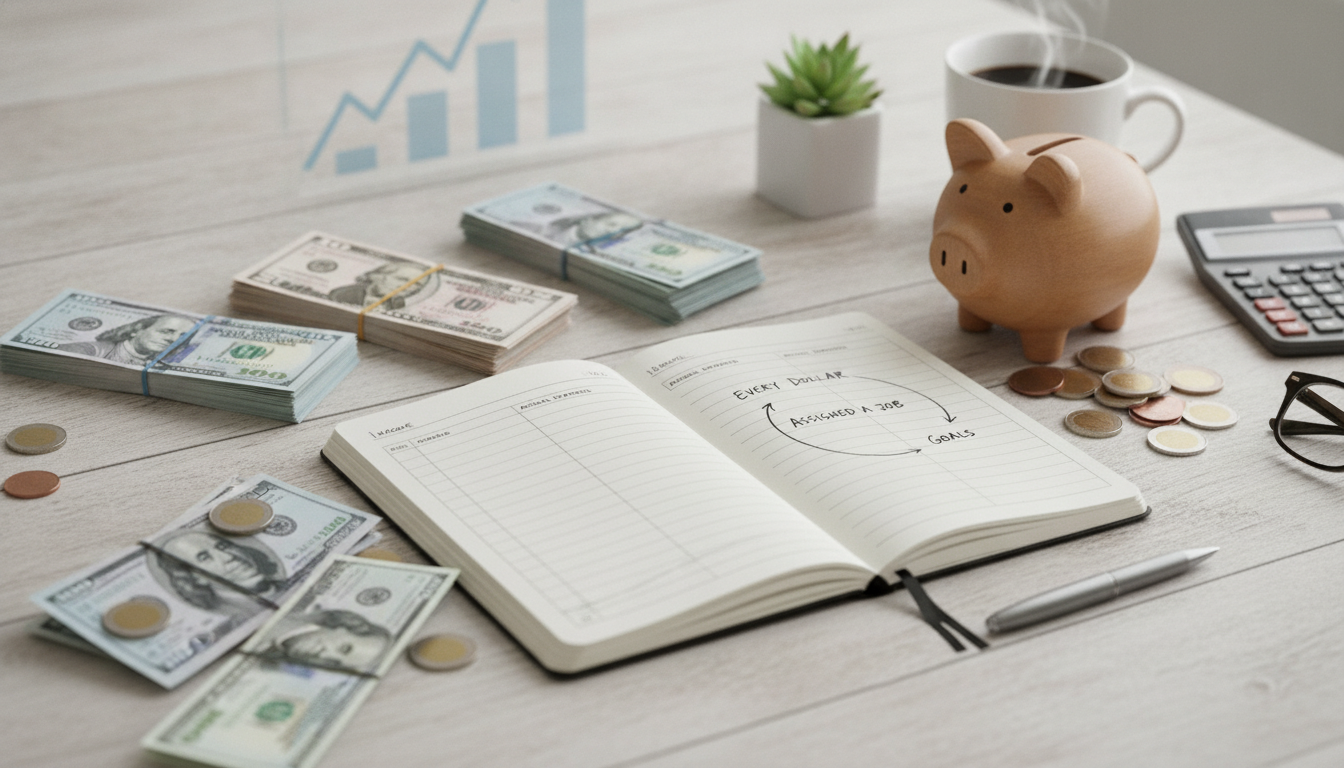
Managing your monthly budget can feel overwhelming, especially when expenses keep popping up and digital payments make spending almost effortless. If you are looking for a practical, hands-on method to gain control over your finances, the envelope system is a time-tested solution. This approach uses physical envelopes and cash to help you track your spending and avoid overspending, making it easier to live with intention and boost your savings.
Understanding the Envelope System
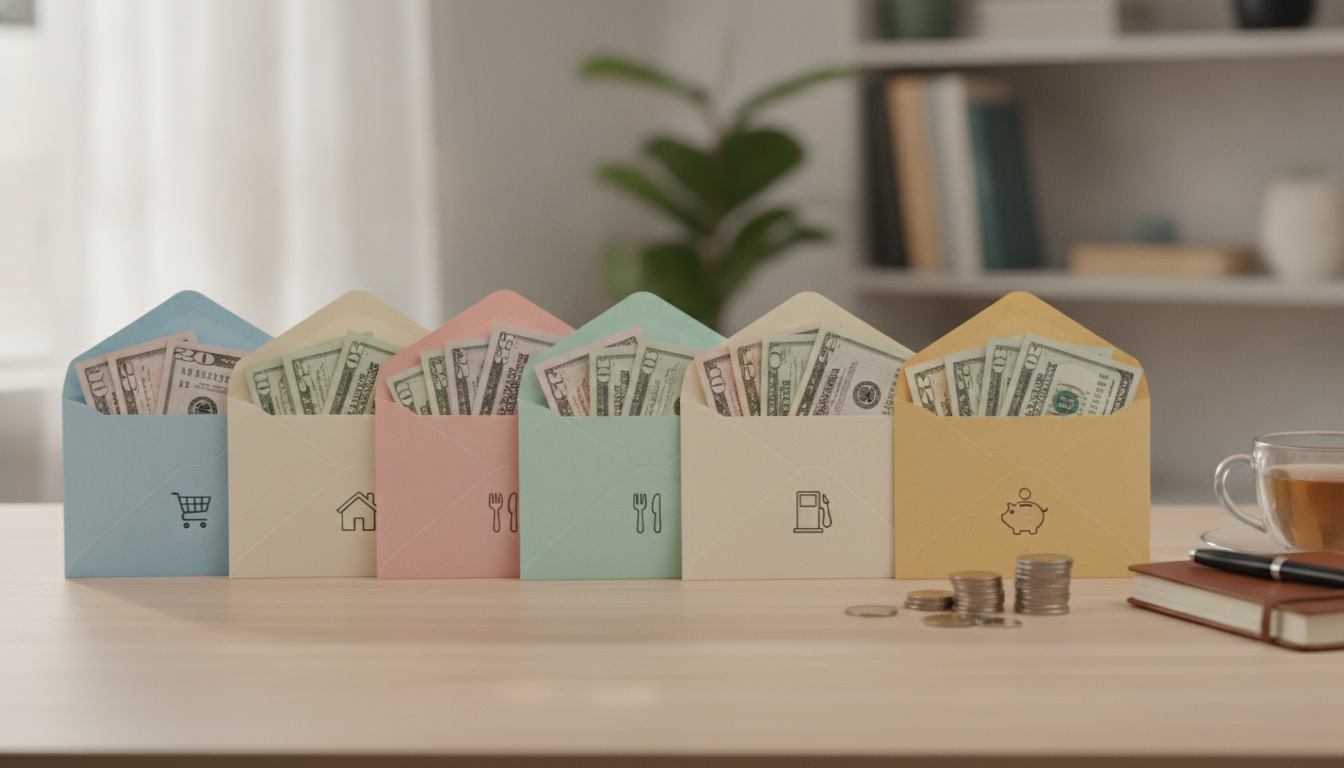
The envelope system is a simple yet effective budgeting technique. You allocate cash for each spending category into separate envelopes at the start of each month. Once the money in an envelope is gone, you stop spending in that category until the next budgeting cycle. This method originated before digital banking, but it remains popular for those who want a tangible way to manage their money and avoid budget leaks.
Unlike apps or spreadsheets, the envelope system puts your money in front of you. You see how much you have left at any moment, making it harder to justify unnecessary purchases. It is especially appealing for people who want to break bad spending habits, families teaching kids about money, or anyone craving more discipline in their financial life.
Getting Started: Setting Up Your Envelope System
Adopting the envelope system does not require complicated tools. Here is how to set it up:
- List Your Monthly Expenses: Start by identifying the categories you regularly spend money on. Common examples include groceries, gas, dining out, entertainment, personal care, household supplies, and kids' activities.
- Assign Budget Amounts: Look at your past spending and monthly income, then set realistic cash amounts for each category. Be honest with yourself about your needs and habits.
- Label Your Envelopes: Use plain envelopes, printable templates, or reusable pouches. Write the category name and budget amount on each one.
- Withdraw Cash: Take out the total cash you need for all categories at the start of the month or pay period.
- Fill and Use Your Envelopes: Put the allocated cash in each envelope. Spend only from the appropriate envelope for each expense. When the envelope is empty, stop spending in that category.
This system works best for categories with variable expenses, rather than fixed bills like rent or insurance which are typically paid electronically.
Choosing Your Envelopes: Customizing for Your Life
The envelope system adapts to your unique spending patterns. Focus on categories where you tend to overspend or where cash payments are practical. You might create envelopes for:
- Groceries
- Gas/Transportation
- Dining Out
- Entertainment
- Personal Care
- Household Supplies
- Kids' Activities
- Clothing
- Miscellaneous/Unexpected Expenses
Customize your envelopes to reflect your household size, lifestyle, and priorities. Many users also include a "fun" envelope to allow for guilt-free treats or entertainment so budgeting feels less restrictive.
Benefits of Using the Envelope System
- Visual Spending Control: Watching cash dwindle in each envelope makes you think twice before spending, creating instant accountability.
- Prevents Overspending: Once an envelope runs out, you cannot spend more in that category. This stops impulse buys in their tracks.
- Reduces Financial Stress: You always know exactly how much is left in each category, eliminating uncertainty and budget surprises.
- Improves Family Communication: Envelopes encourage discussions about spending priorities, making budgeting a shared responsibility.
- Boosts Savings: By preventing overspending, you free up money for savings, debt payments, or investments.
Tips for Success with the Envelope System
- Track Receipts: Put receipts in envelopes or use a small notebook to log each purchase. This helps you review spending patterns and adjust budgets as needed.
- Start Small: If managing multiple envelopes feels overwhelming, begin with one or two categories where you tend to overspend the most.
- Review Regularly: At month-end, look at each envelope. If you consistently run out of cash in one area, lower spending or adjust your allocations for next month.
- Stay Flexible: Life happens. If you overspend in a category, you can shift small amounts between envelopes, but resist using your debit card unless absolutely necessary.
- Include Fun Money: Allocate a portion for entertainment or treats to prevent burnout and help you stick with the system long-term.
Adapting the Envelope System for the Digital Age
If carrying cash is not practical, consider digital alternatives that mimic the envelope system. Many budget apps let you create virtual envelopes and track spending. Some banks offer budgeting features that allow you to set up sub-accounts for different expenses. While digital tools add convenience, using physical cash often creates stronger awareness and discipline for many people.
Overcoming Common Challenges
- Forgetting Envelopes: Keep your most-used envelopes in your purse or wallet. Group them in a pouch for easy access.
- Impulse Purchases: If tempted to dip into another envelope, pause and consider if the purchase aligns with your financial goals.
- Unexpected Expenses: Use a miscellaneous envelope as a buffer for emergencies or surprises.
- Feeling Restricted: It can feel limiting at first. Stick with it, make adjustments, and reward yourself for progress.
Is the Envelope System Right for You?
The envelope system is ideal for anyone who prefers hands-on budgeting, wants to break the cycle of overspending, or needs help sticking to a frugal lifestyle. It works well for families teaching kids about money, individuals aiming to save more or pay off debt, and those working toward financial security.
By dividing your cash into envelopes, you create a clear framework that supports your budgeting goals. Give this classic method a try and discover how it can help you save money, live more frugally, and achieve financial peace.