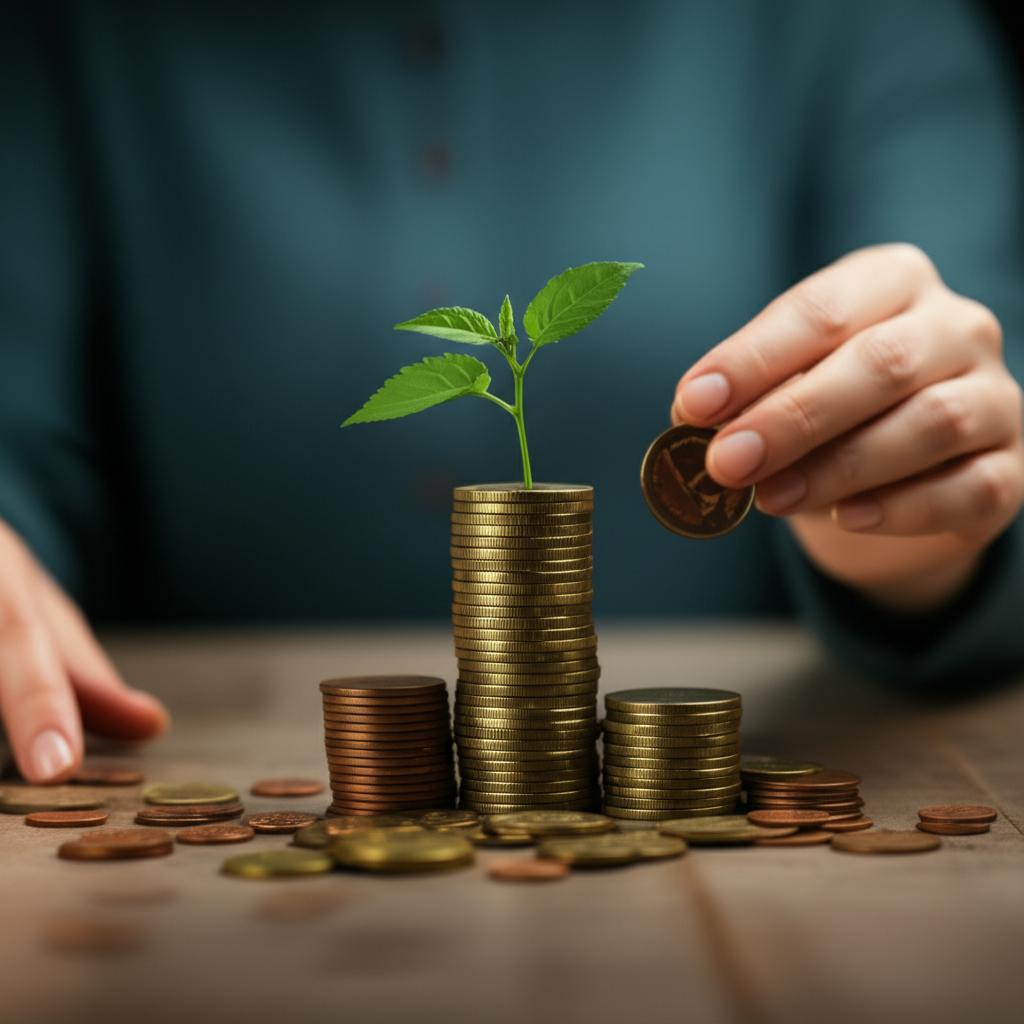
Personal finance in 2026 feels different. Costs keep climbing, and I'm watching more people I know stress about money than ever before. But here's what I've learned: frugal living isn't about deprivation—it's about making choices that actually work for your life. I've been testing these approaches with my own budget, and they genuinely move the needle.
Start With a Budget That Actually Fits Your Life
Before anything else, you need to know where your money actually goes. I recommend tracking every single expense for one month—just use a simple spreadsheet or a free app. You'll probably find some surprises, like that subscription you forgot about or the random online purchases that add up fast.
The 50/30/20 rule works well as a starting point: 50% for needs, 30% for wants, 20% for savings. But here's what I do differently—I adjust based on the season. Spring usually means home repairs or gardening supplies, so I temporarily shift money out of "wants" to cover those predictable costs. That way I'm not caught off guard.
- Check your bank statements every week. You'd be amazed what small recurring charges you can cut.
- Create specific savings categories like "emergency fund" or "trip to visit family"—having a named goal keeps you motivated.
- Use free budgeting tools that connect to your bank so you always have a clear picture.
Daily Habits That Save Real Money
The biggest savings usually come from changing small daily patterns. Meal planning is the obvious one, but I'll be honest—it only works if you actually do it. I plan Sunday meals for the week, buy ingredients in bulk, and waste way less food. This typically cuts my grocery bill by 20-25%.
Making your own cleaning supplies is underrated. Vinegar, baking soda, and some essential oils clean most surfaces in my house. I spent maybe $10 on supplies and have enough to last six months. Plus, I stopped bringing home all those plastic spray bottles.
- Thrift stores and Facebook Marketplace are goldmines for clothes, furniture, and kitchen stuff. I've found incredible deals on things that still work perfectly.
- Wait 24 hours before buying anything non-essential. This single rule stopped most of my impulse buying.
- Switch to LED bulbs and unplug devices when you're not using them—these two things alone cut my utility bills by about 12%.
Getting Smarter About Sales and Coupons
I'm not going to lie—I used to think couponing was embarrassing and too much work. But once I started paying attention, I realized retailers literally give away free savings. I subscribe to a few store newsletters and get coupons delivered weekly.
The real trick is stacking deals. I once combined a manufacturer coupon with a store sale and got shampoo for $1 instead of $8. Cash-back apps like Ibotta add another layer—I'm getting paid slightly for buying things I'd buy anyway.
- Never go shopping without a list based on what's actually on sale that week.
- Join loyalty programs—most are free and give you points or exclusive discounts just for buying what you'd normally purchase.
- Big purchases like appliances or winter coats are cheapest right after holidays or during clearance events.
Set Up Automation So You Don't Have to Think About It
I've tried manually saving money for years. It never worked. The moment I set up automatic transfers to a high-yield savings account right after payday, everything changed. I don't see that money, so I don't spend it. Simple.
Some apps round up every purchase to the nearest dollar and put the difference in savings. It sounds small, but it adds up to $400-600 a year for me—money I'd never miss but that makes a real difference.
- Connect your budgeting app to your bank so you get instant alerts when you're overspending in a category.
- Set automatic reminders for your own rules, like "dining out only once this week."
- Switch to a bank with no fees and maybe even cash-back on debit purchases.
Making This Stick Long-Term
Here's what I've noticed: the people who actually build wealth aren't doing anything revolutionary. They're just consistent. I check my progress monthly, celebrate small wins, and adjust when life changes. Maybe next year inflation cools down, maybe it doesn't—but either way, these habits work regardless of what's happening in the economy.
The best part? Once you stop stressing about money, you actually enjoy life more. Weird how that works.
Start with one or two of these tips. Don't try to do everything at once. Pick what fits your situation, stick with it, and watch your savings grow.
2026 Update
If you're reading this in mid-2026, here's what's changed: high-yield savings accounts are now offering around 4.5% APY, making automated savings even more powerful. I've also noticed more apps bundling budgeting with cash-back, which simplifies the whole process. The economic outlook is still uncertain, but the tools to protect yourself have gotten genuinely better.