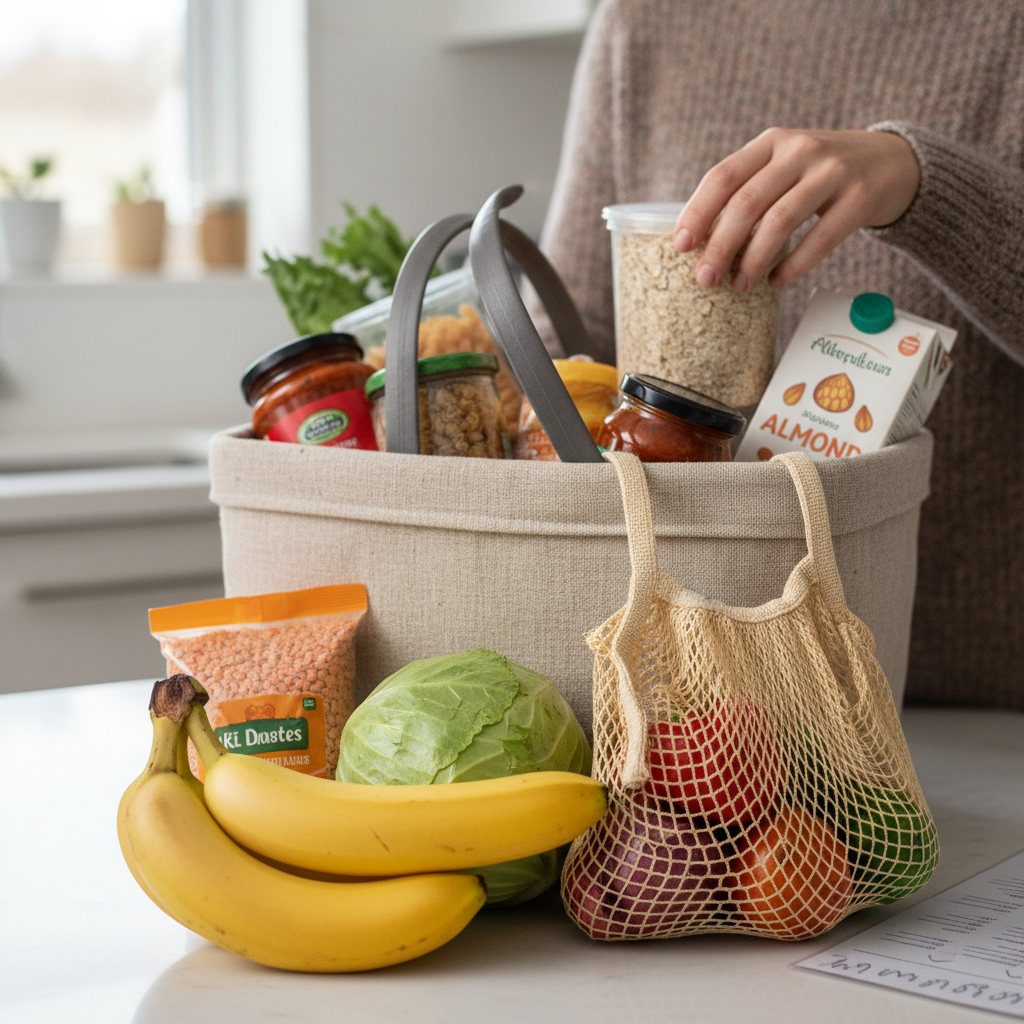
Introduction: Why Grocery Shopping on a Budget Matters
In 2026, with inflation and rising costs continuing to challenge household budgets, mastering the art of grocery shopping on a tight budget is more important than ever. Groceries are a significant monthly expense for most families, but with the right strategies, you can slash your food bill without sacrificing nutrition or variety. In this article, I’m sharing 15 practical money-saving tips for grocery shopping that will help you stretch your dollars further while still enjoying delicious meals. Let’s dive into these budget-friendly hacks!
1. Plan Your Meals Around Sales
Before heading to the store, check weekly ads or store apps for sales and discounts. Plan your meals around discounted items like proteins, produce, or pantry staples. This simple step ensures you’re buying what’s cheapest that week rather than splurging on full-priced items.
2. Create a Shopping List—and Stick to It
Impulse buys can wreck your budget. Write a detailed shopping list based on your meal plan and commit to sticking to it. Avoid wandering down aisles that tempt you with unnecessary snacks or gadgets.
3. Buy in Bulk for Non-Perishables
For items like rice, pasta, canned goods, or toiletries, buying in bulk often saves money per unit. Just ensure you have storage space and that you’ll use the items before they expire. Warehouse clubs or discount stores are great for bulk deals.
4. Shop at Discount Grocery Stores
Consider shopping at discount chains like Aldi or Lidl, which often offer lower prices than traditional supermarkets. These stores focus on private-label brands that are just as good as name brands but cost significantly less.
5. Use Cashback and Coupon Apps
Apps like Ibotta, Rakuten, or Honey can help you earn cashback or find digital coupons for grocery purchases. Before you shop, check these apps for deals on items you already plan to buy. Every little bit adds up!
6. Avoid Pre-Cut or Pre-Packaged Foods
Convenience comes at a price. Pre-cut fruits, vegetables, or pre-packaged meals often cost much more than whole, unprocessed options. Spend a few extra minutes chopping or preparing food yourself to save big.
7. Buy Seasonal Produce
Fruits and vegetables in season are not only fresher but also cheaper. Research what’s in season in your area each month and base your meals around those items. For off-season produce, consider frozen options, which are often just as nutritious and more affordable.
8. Limit Meat Purchases or Opt for Cheaper Cuts
Meat can be one of the priciest items in your cart. Try incorporating more plant-based meals into your week, or choose cheaper cuts of meat like chicken thighs instead of breasts, or ground beef over steak. Slow cooking can make tougher cuts tender and flavorful.
9. Shop the Store’s Perimeter
The perimeter of most grocery stores houses essentials like produce, dairy, and meat, while the inner aisles are packed with processed, overpriced snacks. Focus on the perimeter to avoid temptation and prioritize healthier, budget-friendly choices.
10. Check Unit Prices
Don’t just look at the sticker price—check the unit price (cost per ounce or pound) to see which option is truly cheaper. Sometimes a larger package isn’t the best deal, so do the math before tossing items in your cart.
11. Avoid Shopping When Hungry
Shopping on an empty stomach often leads to impulse purchases of snacks or ready-to-eat foods. Eat a small meal or snack before heading to the store to keep your cravings—and spending—in check.
12. Stock Up During Major Sales
Holidays or seasonal events often bring deep discounts on staples like canned goods, baking supplies, or frozen items. Stock up during these sales, but only on items you know you’ll use. Be mindful of expiration dates!
13. Use Loyalty Programs
Many grocery stores offer free loyalty programs that provide exclusive discounts, points, or personalized coupons. Sign up and scan your card or app at checkout to maximize savings on every trip.
14. Repurpose Leftovers Creatively
Don’t let food go to waste! Turn leftovers into new meals—roast chicken can become soup, stale bread can be turned into croutons, and overripe bananas are perfect for baking. Reducing waste means getting more value from every dollar spent.
15. Compare Online and In-Store Prices
In 2026, online grocery shopping continues to grow, and sometimes prices or promotions differ between online platforms and physical stores. Compare costs before deciding where to shop, and factor in delivery fees if applicable. Some stores even offer free pickup to save on shipping costs.
Bonus Tip: Track Your Spending
Keep a running tally of your grocery expenses each month to identify patterns or areas where you’re overspending. Use a budgeting app or a simple spreadsheet to stay accountable and adjust your habits as needed.
Conclusion: Small Changes, Big Savings
Grocery shopping on a tight budget doesn’t mean you have to compromise on quality or enjoyment. By implementing these 15 practical money-saving tips, you can significantly reduce your food expenses in 2026 while still feeding your family nutritious meals. Start small—pick a few strategies to try this week—and watch your savings grow. What’s your favorite grocery hack? Share it in the comments below, and let’s keep the frugal living conversation going!