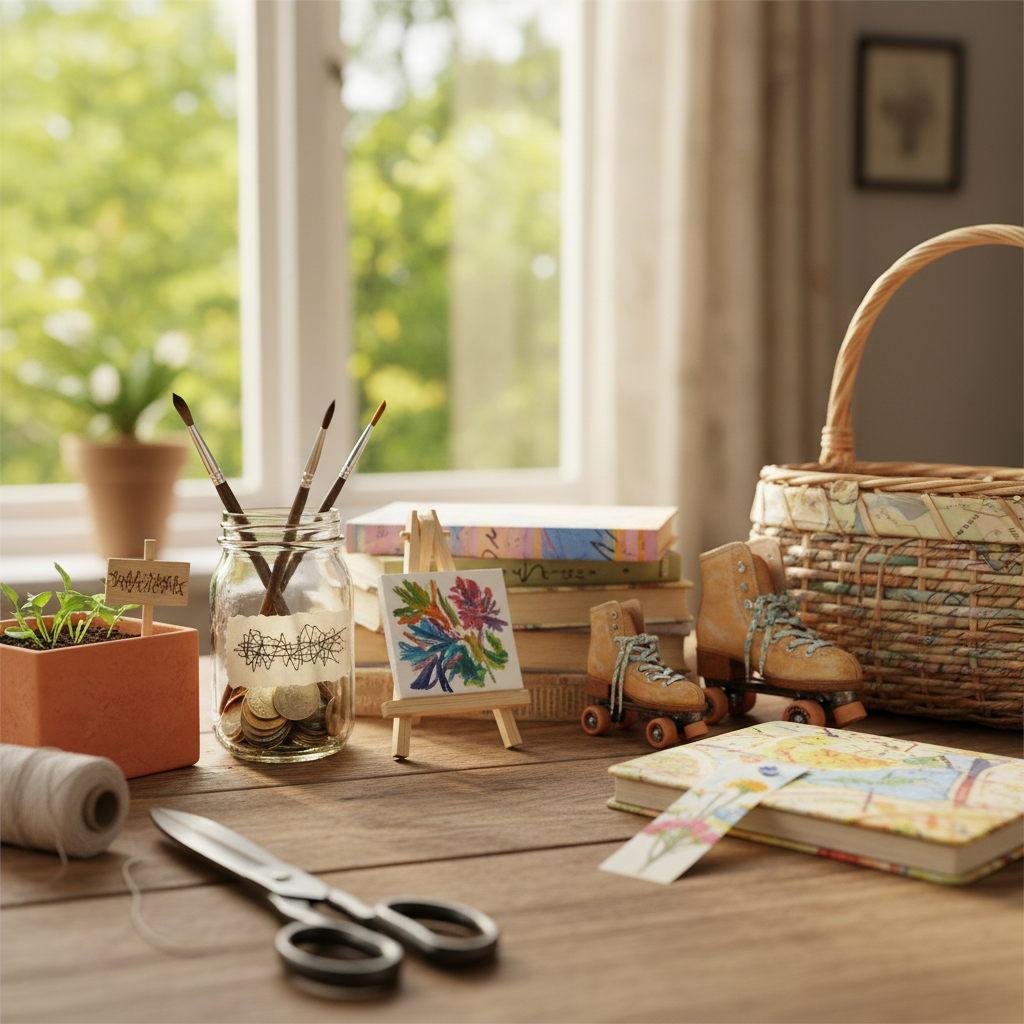
Hobbies are a fantastic way to unwind, express creativity, and enjoy life, but they can also become a sneaky drain on your budget. Whether you're into crafting, gaming, or outdoor adventures, the costs of supplies, gear, and memberships can add up quickly. The good news? You don’t have to give up the activities you love to stay financially on track. In this article, we’ll explore 10 unexpected ways to save money on hobbies without sacrificing the fun. Let’s dive into some budget-friendly strategies that will keep both your passions and your wallet happy.
1. Borrow Instead of Buy
Before splurging on expensive hobby equipment or supplies, check if you can borrow them. Libraries often have surprising resources beyond books—think tools, musical instruments, or even board games. Additionally, ask friends or family if they have items you can use temporarily. For example, if you’re dabbling in photography, borrow a camera to test it out before investing in your own. This approach saves you from unnecessary purchases and helps you decide if a hobby is worth the financial commitment.
2. Shop Secondhand for Supplies
One of the easiest ways to cut hobby costs is by shopping secondhand. Thrift stores, garage sales, and online marketplaces like eBay or Facebook Marketplace are goldmines for discounted craft materials, sports gear, and collectibles. You might score yarn for knitting, barely-used hiking boots, or vintage board games at a fraction of the retail price. Just be sure to inspect items for quality to avoid wasting money on things that won’t last.
3. Join Free or Low-Cost Community Groups
Many hobbies come with pricey classes or club memberships, but you can often find free or affordable alternatives through community centers, local meetups, or online forums. For instance, if you love painting, look for free art workshops at a nearby library or join a local artist group on social media to exchange tips and materials. These groups not only save you money but also connect you with like-minded enthusiasts for added inspiration.
4. Repurpose Household Items
Before buying new supplies, take a look around your home for items you can repurpose. Old jars can become storage for craft supplies, scrap fabric can be turned into quilts, and empty boxes can transform into organizers for gaming cards. Getting creative with what you already own is a cornerstone of frugal living and can make your hobby projects even more personal and unique.
5. Take Advantage of Free Online Resources
The internet is packed with free tutorials, patterns, and guides for almost any hobby imaginable. Instead of paying for courses or books, search YouTube for step-by-step videos or browse sites like Pinterest for DIY ideas. Whether you’re learning to knit, code, or garden, there’s likely a free resource that can teach you the ropes. Bonus: Many of these platforms also share tips on how to do your hobby on a budget!
6. Buy in Bulk with Friends
If your hobby requires consumable supplies—like paint, yarn, or seeds for gardening—consider teaming up with friends to buy in bulk. Purchasing larger quantities often comes with a lower per-unit cost, and splitting the order means everyone saves. For example, if you’re into scrapbooking, buy a bulk pack of decorative paper and divide it among your crafty pals. It’s a win-win for your budget and your social circle.
7. Monetize Your Hobby to Offset Costs
Turn your passion into a small side hustle to cover expenses. If you knit scarves, bake treats, or create custom artwork, sell your creations on platforms like Etsy or at local craft fairs. Even if you don’t make a huge profit, the extra cash can fund new supplies or tools. Just be mindful of pricing and time investment to ensure it doesn’t become more stressful than enjoyable.
8. Stick to Seasonal Sales and Discounts
Timing your purchases can lead to big savings on hobby gear. Keep an eye out for seasonal sales, like post-holiday clearances or back-to-school deals, when items like art supplies, outdoor equipment, and tech gadgets are often discounted. Sign up for newsletters from your favorite stores or use coupon apps to snag additional savings. A little patience can mean the difference between paying full price and scoring a bargain.
9. Limit Subscription Services
Subscription boxes for hobbies—think craft kits, gaming memberships, or fitness apps—can be tempting but often come with recurring costs that strain your budget. Evaluate whether these services are truly worth it. If you only use them occasionally, cancel the subscription and opt for one-time purchases instead. For digital hobbies like gaming, look for free-to-play options or wait for sales on platforms like Steam to avoid ongoing fees.
10. Set a Hobby Budget and Track Spending
Finally, one of the most effective ways to save money on hobbies is to set a monthly or quarterly budget for them. Decide how much you’re willing to spend and track every purchase related to your pastime. Use a simple spreadsheet or budgeting app to stay accountable. If you’re nearing your limit, challenge yourself to get creative with free resources or pause spending until the next cycle. This habit ensures your hobbies remain a source of joy, not financial stress.
Final Thoughts on Frugal Hobbies
Hobbies don’t have to break the bank. By adopting these unexpected money-saving strategies, you can continue to enjoy your favorite activities while keeping your personal finances in check. From borrowing gear to repurposing items and leveraging free resources, small changes can lead to significant savings. Remember, frugal living isn’t about deprivation—it’s about finding smart ways to prioritize what matters most. So, go ahead and pursue your passions, but do it with a budget-savvy mindset. What’s your favorite budget-friendly hobby tip? Share it with us in the comments below!