In a world where financial pressures are ever-present, 2026 brings fresh opportunities to embrace frugality not as a burden, but as a pathway to joy and fulfillment. As we navigate the economic landscape of February 2026, many are discovering that saving money doesn't have to mean sacrificing fun or quality of life. This article explores innovative ways to integrate mindful habits into your daily routine, turning budget constraints into exciting challenges that enhance your overall well-being. By focusing on creative, community-driven approaches, you'll learn how to save effectively while building a more sustainable and enjoyable lifestyle.
The Evolution of Frugal Living in 2026
Frugal living has come a long way from simple coupon clipping and penny-pinching. In 2026, it's evolving into a holistic lifestyle that prioritizes mindfulness and intentionality. With global events shaping consumer behaviors, people are increasingly turning to digital tools and community networks to optimize their finances. For instance, apps that track spending in real-time are now integrated with AI-driven suggestions, helping users identify wasteful habits without the dread of strict budgeting. This shift emphasizes not just saving money, but doing so in ways that align with personal values and long-term goals, making frugality a joyful pursuit rather than a chore.
According to recent trends, over 60% of individuals in 2026 are adopting "joyful frugality" as a response to rising costs in essentials like housing and groceries. This approach encourages small, pleasurable changes, such as meal prepping with seasonal ingredients, which not only cuts expenses but also adds excitement to everyday routines. By reframing saving as an act of self-care, you're more likely to stick with it, leading to greater financial resilience and happiness.
Essential Budget Hacks for 2026: Simple Yet Powerful Strategies
Budgeting in 2026 is all about efficiency and adaptability. Gone are the days of rigid spreadsheets; instead, focus on flexible hacks that fit into your dynamic life. One effective tip is to leverage subscription auditing tools, which automatically review and cancel unnecessary services, potentially saving you hundreds annually. Another hack involves bulk buying smarter - partner with neighbors or local groups to share wholesale purchases, reducing costs while fostering community bonds.
Let's break down some key strategies:
- Automate Your Savings: Set up micro-transfers from your checking account to a high-yield savings account daily. This "set it and forget it" method ensures you're building your nest egg without thinking twice, and many banks in 2026 offer bonuses for consistent contributions.
- Energy-Efficient Upgrades: Invest in smart home devices that optimize energy use, like programmable thermostats or LED lighting. These upgrades pay for themselves through reduced utility bills, and government incentives in 2026 make them more accessible than ever.
- Digital Bargain Hunting: Use AI-powered shopping apps that compare prices across platforms and apply coupons instantly. This not only saves time but also uncovers deals you might miss otherwise, turning shopping into a game.
These hacks are designed for real-life application, ensuring that your budget works for you, not against you. By incorporating them, you can free up funds for experiences that truly matter, like family outings or personal development.
Frugal Living Essentials: Building Habits for Long-Term Success
At the core of frugal living are habits that promote sustainability and reduce waste. In 2026, this means going beyond basic tips to embrace eco-friendly practices that also save money. For example, starting a home garden with low-maintenance plants can cut grocery bills while providing fresh produce, turning your backyard into a source of pride and savings. Additionally, repairing and repurposing items instead of buying new ones is a rising trend, supported by online communities that share DIY tutorials and swap meets.
To make these essentials stick, consider these steps:
- Mindful Meal Planning: Plan your weekly meals around what's on sale and in season, reducing food waste and expenses. In 2026, apps with recipe generators based on your pantry items make this effortless and fun.
- Clothing Swaps and Thrift Adventures: Participate in local thrift events or online swaps to refresh your wardrobe without spending much. This not only saves money but also promotes a circular economy, which is a hot topic in 2026 sustainability discussions.
- Debt Reduction Focus: Prioritize high-interest debts with the snowball method, where you pay off smaller debts first for quick wins. New financial tools in 2026, like debt consolidation apps, make tracking progress easier and more motivating.
By weaving these habits into your routine, you'll create a foundation for financial stability that supports your mental and emotional health. Frugal living isn't about deprivation; it's about making intentional choices that lead to a richer life.
Incorporating Fun into Your Saving Journey: Community and Creativity
One of the most exciting developments in 2026 is the rise of community-driven saving challenges, which add an element of fun and accountability. Join online forums or local groups where participants share tips and compete in savings goals, like the "30-Day Frugal Challenge," where members track their progress and celebrate milestones together. This social aspect transforms saving from a solitary task into a collective adventure, boosting motivation and results.
Here are some creative ways to infuse joy into your frugality:
- Gamify Your Finances: Use apps that turn saving into a game, with rewards for hitting targets, such as virtual badges or real-world perks like discounted entertainment.
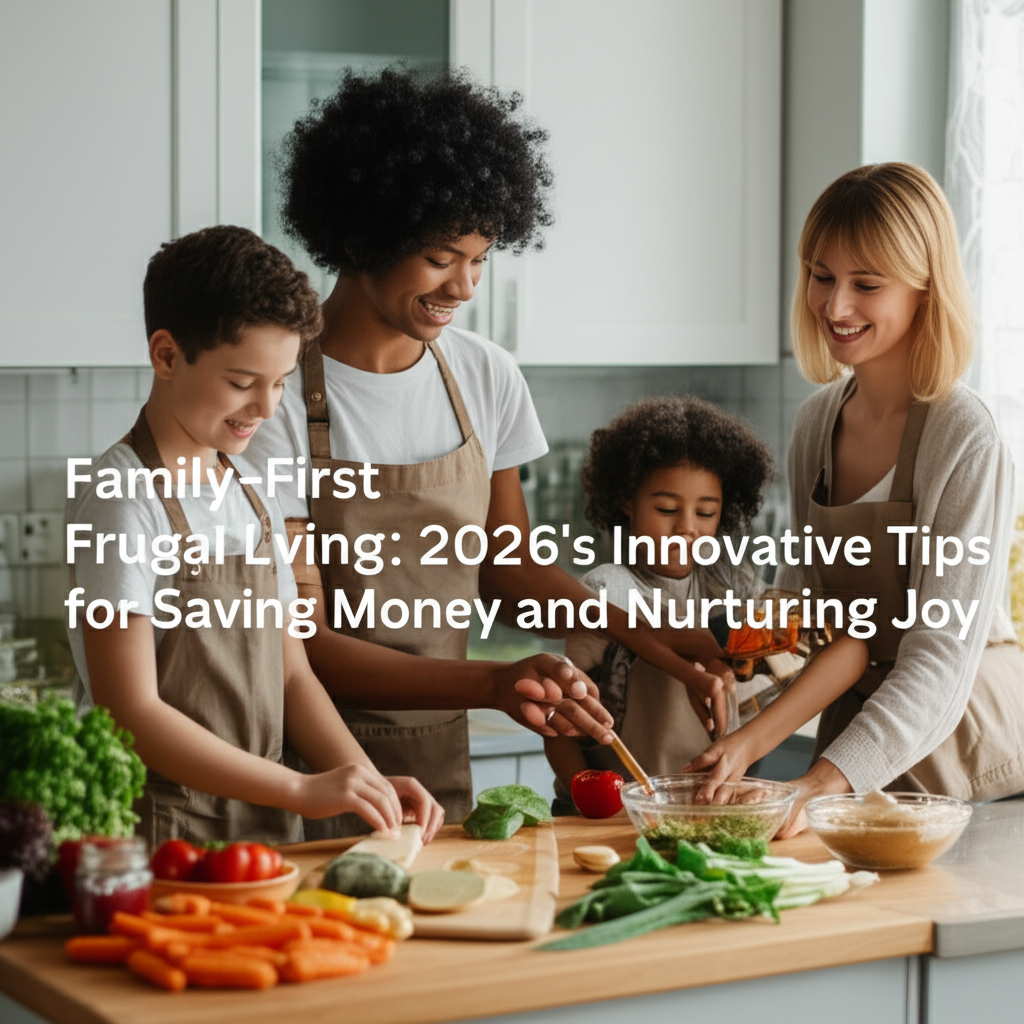
- Family Savings Nights: Make budgeting a family activity by turning it into a game night, where everyone brainstorms ideas and tracks progress on a shared board. This builds teamwork and makes learning about money enjoyable.
- Volunteer for Perks: Engage in community service that offers benefits, like free workshops or access to resources, which can indirectly save money while giving back.
These approaches ensure that your path to financial health is engaging and sustainable, helping you maintain momentum even when times get tough.
Wrapping Up: Your Path to a Frugal, Fulfilling 2026
As we move through February 2026, embracing joyful frugality means viewing every saving opportunity as a step toward a brighter future. By implementing the tips outlined here, you'll not only bolster your finances but also enhance your quality of life through mindful, creative practices. Remember, the key to long-term success is consistency and adaptability - regularly review your habits and adjust as needed to keep the joy alive in your frugal journey.
In conclusion, 2026 offers a unique chance to redefine how we approach money. With these strategies, you're equipped to thrive financially while enjoying the process, proving that saving money can be both smart and satisfying.