If you have looked at your bank account lately and felt your stomach drop, you are not alone. In 2026, the cost of cleaning supplies, toiletries, and utilities keeps climbing, making it harder to save money without feeling like you are giving up everything you enjoy. But here's what I have learned: small changes in how you buy and use household essentials add up to real money over time. This article covers 10 practical tips that actually work for cutting costs without sacrificing quality.
Why Focus on Household Essentials for Frugal Living?
Household essentials take up a big chunk of monthly budgets, yet most people do not pay much attention to them when planning their finances. Recent 2026 financial reports show the average household spends about 20-30% of their budget on these items. That is thousands of dollars a year that could go toward emergency savings or paying off debt. The trick is simple: spend less on what you need so you can put more toward what matters. Here is how to start.
Tip 1: Embrace DIY Solutions for Cleaning Supplies
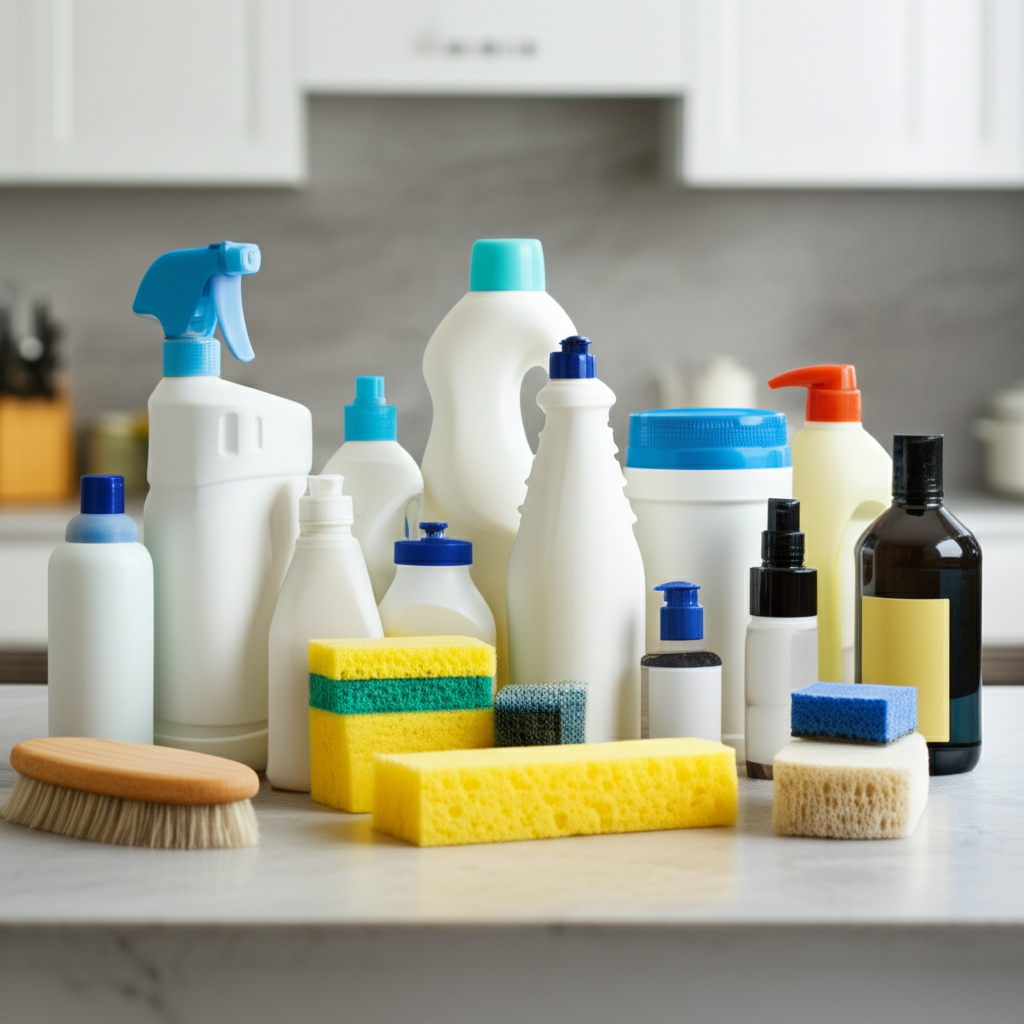
Making your own cleaning products at home is one of the quickest ways to cut spending. Store-bought cleaners are expensive, but you can make effective alternatives with just a few ingredients. A simple all-purpose cleaner using equal parts water and vinegar costs about half what commercial brands charge. These DIY solutions also mean fewer harsh chemicals in your home, which is better for families with kids or pets.
- Start with affordable ingredients: Buy bulk baking soda and distilled vinegar from discount stores.
- Customize for your needs: Add a few drops of lemon essential oil for a fresh scent.
- Track your savings: Write down how much you save each month in a simple notebook.
If you spend 15 minutes a week mixing up cleaning supplies, you could save $50-100 per year. That money adds up fast.
Tip 2: Master the Art of Bulk Buying Without Overbuying
Buying in bulk works well when you do it right. In 2026, warehouse clubs and online bulk retailers make it easy to find deals on toilet paper, soap, and non-perishables. The key is buying only what you will actually use before it expires. For example, if your household goes through a pack of paper towels every two weeks, buying in bulk can cut the per-unit cost by 20-30%.
- Check your inventory first: Look at what you already have before shopping to avoid buying duplicates.
- Look for membership perks: Many stores offer free trials or low-cost memberships with deeper discounts.
- Combine with meal planning: Use bulk items in your weekly meal plans so nothing goes to waste.
This approach saves money and makes shopping faster.
Tip 3: Hunt for Deals and Coupons on Everyday Items
Couponing in 2026 is much easier than it used to be. Apps and websites let you stack discounts, turning ordinary shopping trips into savings opportunities. Focus on digital coupons for things you buy every week, like laundry detergent or dish soap. A good coupon strategy can save you 10-25% on your total bill.
- Use apps wisely: Download reputable coupon apps that notify you of flash sales.
- Time your purchases: Buy seasonal items when they go on sale during off-peak times.
- Avoid impulse buys: Stick to your shopping list.
Once you start couponing regularly, you will be surprised at how much you save.
Tip 4: Optimize Energy Usage for Lower Utility Bills
Utility bills are a major expense, but small changes make a big difference. Smart home technology in 2026 makes it easier than ever to reduce energy use. Switching to LED bulbs and using programmable thermostats can cut electricity costs by up to 15%. Unplug devices when you are not using them and consider upgrading to energy-efficient appliances.
- Conduct an energy audit: Find out which areas of your home use the most power.
- Explore rebates: Many utility companies offer incentives for energy-saving upgrades.
- Adopt daily habits: Turn off lights in empty rooms and air-dry dishes.
These changes lower your bills and help the environment.
Tip 5: Repurpose and Reuse Items Around the House
Frugal living requires creativity, and repurposing items is one of the best ways to stretch your money. Instead of buying new things, look for ways to use what you already have. Old towels become cleaning rags. Glass jars work perfectly for pantry storage. This mindset can save you hundreds of dollars a year.
- Get inventive with crafts: Turn cardboard boxes into drawer organizers.
- Host a swap: Trade unused items with friends or neighbors.
- Maintain what you own: Take care of furniture and appliances so they last longer.
Repurposing saves money and reduces waste.
Tip 6: Implement a Zero-Waste Kitchen Strategy
A zero-waste kitchen significantly cuts food costs. Plan meals around ingredients you already have, and only buy what you will use. In 2026, local markets and apps for surplus food make it easy to save on groceries while reducing waste.
- Meal prep in advance: Spend some time on Sunday planning your week.
- Use freezer hacks: Freeze leftovers for quick future meals.
- Compost scraps: Turn food waste into garden soil.
This strategy makes every grocery dollar count.
Tip 7: Negotiate Bills and Services
Negotiation is often overlooked but can deliver immediate savings. Call your internet, phone, or insurance providers to ask for better rates. Many companies offer discounts for loyal customers, and they often have unadvertised deals.
- Research competitors: Use this information to negotiate better rates.
- Bundle services: Combining packages often means lower monthly bills.
- Set reminders: Review your bills every three months.
It takes one phone call to start saving.
Tip 8: Adopt a 'Buy Once, Buy Quality' Mindset
Spending more upfront on durable items often costs less over time. For kitchen tools and household items, choose quality over price. Cheap products break quickly and need replacing.
- Read reviews: Focus on products known for lasting years.
- Shop sales: Wait for end-of-season discounts on quality goods.
- Balance with frugality: Make sure the item fits your budget.
This approach means fewer trips to the store and more money in your pocket.
Tip 9: Track and Adjust Your Budget Regularly
Budgeting requires ongoing attention. Use apps or spreadsheets to monitor spending and adjust as needed.
- Set monthly reviews: Look at what you spent and where you can improve.
- Categorize expenses: Separate household items for clearer insights.
- Celebrate milestones: Reward yourself when you hit savings goals.
Regular tracking turns frugal habits into lasting change.
Tip 10: Build a Community of Frugal Enthusiasts
Finding people who share your money goals helps you stay motivated. Join online forums or local groups focused on saving money.
- Share successes: Talk about what is working for you.
- Learn from others: Pick up new tips regularly.
- Stay accountable: Use group challenges to keep momentum.
These 10 tips can transform how you spend on household essentials. Try one or two first, then add more as they become habit. Your wallet will thank you.
2026 Update
In early 2026, several major retailers introduced subscription models for household essentials with automatic discounts of 10-15%. Additionally, new apps now track prices across stores and alert you when your regular items go on sale, making it easier than ever to save without hunting for deals.