In the fast-paced world of 2026, where economic uncertainties loom large, embracing frugal living isn't just about cutting corners—it's about making smarter choices that enhance your financial security and overall well-being. As we navigate rising costs and inflation, mastering everyday savings can lead to a more fulfilling life without sacrificing quality. This article explores practical, innovative strategies to help you budget effectively, save money, and adopt a frugal mindset that sticks. By the end, you'll have actionable tips to transform your daily routine into a powerhouse of financial efficiency.
Why Frugal Living Matters in 2026
The year 2026 has brought new challenges to personal finance, with global events influencing everything from food prices to utility bills. According to recent reports, households are spending an average of 15% more on essentials compared to last year. Frugal living isn't about deprivation; it's a strategic approach to prioritize needs over wants, ensuring your hard-earned money works for you. By focusing on small, daily wins, you can build a solid budget that withstands economic fluctuations and paves the way for long-term savings goals, like retirement or emergency funds.
Start by assessing your current spending habits. Many people overlook minor expenses that add up quickly—think coffee runs or impulsive online purchases. A simple audit can reveal surprising opportunities for savings. For instance, tracking your expenses for just one week might show you're overspending on dining out, prompting a shift towards home-cooked meals. This foundational step sets the stage for the frugal hacks we'll dive into next.
Mastering Your Budget with Smart Tracking Tools
One of the cornerstones of effective budgeting is accurate tracking. In 2026, technology makes this easier than ever with free apps and tools designed for frugal enthusiasts. Begin by categorizing your expenses into essentials like housing, food, and utilities, and non-essentials like entertainment or subscriptions. Use apps that sync with your bank accounts to automate this process, saving you time and reducing errors.
Here are some innovative ways to track and trim your budget:
- Set Realistic Limits: Allocate specific amounts to each category and stick to them. For example, if groceries typically eat up 20% of your budget, challenge yourself to reduce it by 10% through meal planning and bulk buying.
- Review Subscriptions Regularly: With streaming services and apps proliferating, it's easy to forget about monthly fees. Schedule a bi-monthly review to cancel unused subscriptions, potentially saving hundreds annually.
- Try Digital Envelope Systems: Adapt the classic envelope system to digital wallets. Assign virtual envelopes for categories and only spend what's allocated, helping you stay disciplined without carrying cash.
By implementing these tools, you not only gain control over your finances but also free up money for savings or investments, creating a cycle of frugal success.
Frugal Grocery and Meal Strategies for Maximum Savings
Groceries remain one of the largest household expenses, but with clever strategies, you can significantly cut costs without compromising nutrition. In 2026, rising food prices make this area a prime target for frugal living. Start by planning meals around seasonal produce and sales, which can reduce your grocery bill by up to 30%.
Consider these practical tips to save on meals:
- Shop with a List and Stick to It: Avoid impulse buys by creating a detailed shopping list based on your weekly menu. This prevents overspending and waste, as you'll only purchase what you need.
- Buy in Bulk for Staples: Items like rice, pasta, and canned goods are cheaper when purchased in larger quantities. Store them properly to extend shelf life and use them in multiple meals.
- Repurpose Leftovers Creatively: Turn last night's dinner into today's lunch. For example, leftover vegetables can become a hearty soup, stretching your food dollar further and reducing waste.
- Explore Generic Brands: Often, store-brand items are just as good as name brands but cost less. Test a few to see the difference and save without sacrificing quality.
These hacks not only save money but also promote healthier eating habits, as you're more likely to choose whole foods over processed options. Over time, this approach can lead to big savings, redirecting funds towards debt repayment or fun family activities.
DIY Hacks for Home and Personal Care
Another area where frugal living shines is in home maintenance and personal care. Instead of relying on expensive services or products, DIY solutions can keep your costs low while building valuable skills. In 2026, with supply chain issues affecting prices, learning to handle tasks yourself is both practical and economical.
Try these innovative DIY tips:
- Home Repairs on a Budget: Fix minor issues like leaky faucets or chipped paint with tools you already own. Online tutorials abound, offering free guidance to save on professional fees.
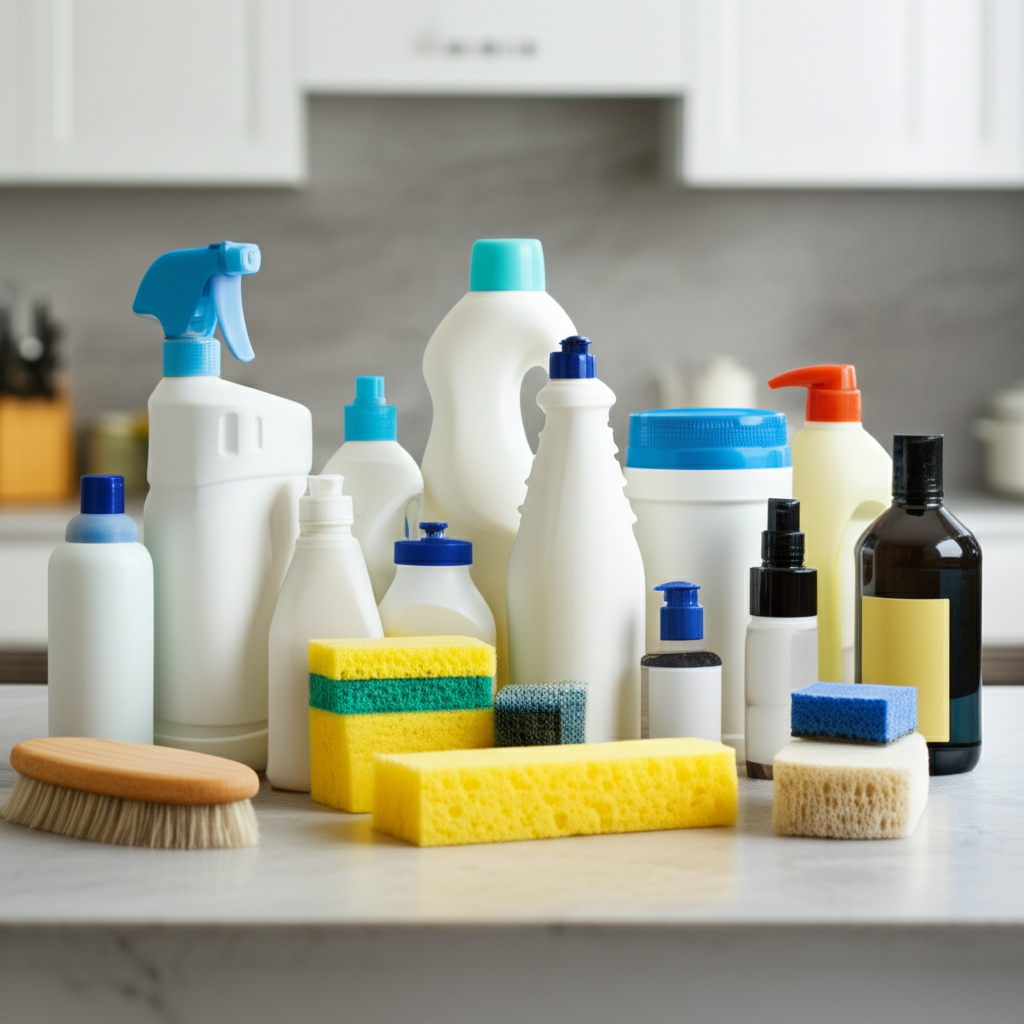
- Natural Cleaning Alternatives: Swap commercial cleaners for homemade versions using vinegar, baking soda, and essential oils. This not only saves money but also creates a safer, eco-friendly home environment.
- Personal Care from Your Kitchen: Make your own beauty products, like sugar scrubs or hair masks, using household ingredients. This can cut personal care expenses in half while avoiding harsh chemicals.
- Energy-Saving Modifications: Install low-cost items like LED bulbs or draft stoppers to reduce utility bills. Simple changes can lead to significant savings over time.
By embracing DIY, you're not just saving money—you're gaining confidence and reducing your environmental footprint, aligning frugal living with sustainable practices.
Building and Growing Your Savings Habit
Frugal living is most effective when paired with a strong savings habit. In 2026, with interest rates fluctuating, it's crucial to build an emergency fund and invest wisely. Aim to save at least 20% of your income, starting small if needed, and automate transfers to make it effortless.
Key strategies include:
- Automate Savings Contributions: Set up automatic deductions from your checking account to a savings account with competitive rates, ensuring you save before you spend.
- Set Milestones and Rewards: Celebrate small victories, like reaching $500 in savings, with non-monetary rewards to keep motivation high without derailing your budget.
- Explore Better Interest Options: Research online banks offering better rates for savings accounts or CDs, maximizing your returns on frugally earned money.
- Avoid Debt Traps: Focus on paying off high-interest debt first, freeing up more cash for savings and preventing future financial strain.
These habits compound over time, turning your frugal efforts into a growing nest egg. Remember, consistency is key; even saving $10 a day adds up to over $3,600 annually.
2026 Update
Recent data shows that households adopting at least three frugal strategies are saving an average of $200 monthly—about $2,400 per year. With inflation expected to moderate slightly in late 2026, now is the ideal time to lock in these habits before prices potentially rise again.
Wrapping Up Your Frugal Journey
As we wrap up, remember that frugal living in 2026 is about intentional choices that lead to financial freedom and a richer life. By tracking your budget, optimizing meals, embracing DIY, and building savings, you're equipping yourself to handle whatever comes next. Start today with one or two tips, and watch as your efforts snowball into lasting success. With these strategies, you'll not only save money but also discover the joy in simplicity and smart living.