As we dive into February 2026, the landscape of personal finance continues to evolve, with more people seeking ways to live frugally without feeling deprived. This article explores innovative, practical tips drawn from trending topics like money saving strategies, budget hacks, and frugal living, tailored for the modern era. By incorporating these fresh ideas, you can achieve financial stability while maintaining a fulfilling lifestyle, all while adapting to the economic shifts of 2026.
Understanding the Rise of Frugal Living in 2026
In 2026, frugal living has transcended mere penny-pinching to become a sophisticated approach to financial wellness. With global economic uncertainties and rising costs of living, many are turning to frugal practices not just to save money, but to enhance their overall quality of life. According to recent reports, households adopting frugal habits are reporting higher satisfaction levels, as these strategies emphasize value over extravagance. This section delves into why frugal living is more relevant than ever and how it aligns with current trends in personal finance.
Key drivers include the integration of technology in budgeting and a growing emphasis on sustainability. For instance, the shift towards remote work has allowed individuals to cut commuting costs, redirecting savings towards experiences that matter. By mastering these basics, you can build a strong foundation for long-term financial health.
Daily Budget Hacks to Implement Right Away
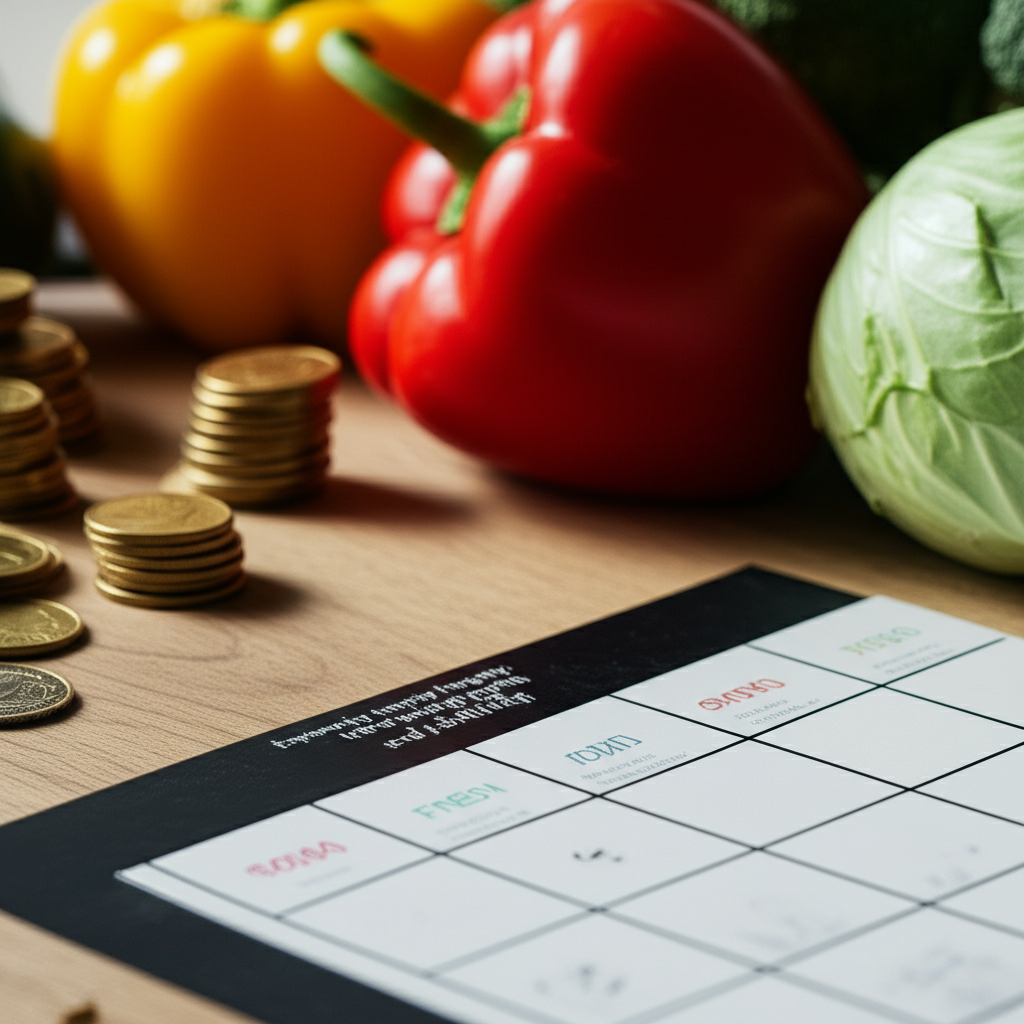
Starting with your daily routine, small changes can lead to significant savings. One effective hack is meal prepping, which not only reduces food waste but also curbs impulse buys at restaurants. In 2026, with food prices still fluctuating, dedicating a few hours each week to planning meals can save families hundreds of dollars monthly.
- Track Your Expenses Digitally: Use free apps like ExpenseTracker 2026 to categorize spending and identify patterns. This tool uses AI to suggest cuts, making budgeting effortless.
- Opt for Second-Hand Shopping: Platforms like ReUseMarket have exploded in popularity, offering quality items at a fraction of the cost. Aim to buy clothes, electronics, and home goods pre-owned to promote both savings and environmental responsibility.
- Energy-Efficient Habits: Simple actions like unplugging devices and using LED bulbs can lower utility bills. In 2026, smart home devices that automate these processes are more affordable, helping you save without constant monitoring.
These hacks are designed for ease of adoption, ensuring that frugal living feels rewarding rather than restrictive. For example, turning off lights and appliances when not in use might seem minor, but over a year, it can accumulate to substantial savings, freeing up funds for leisure activities.
Smart Shopping Strategies for Maximum Savings
Shopping wisely is at the heart of frugal living, and in 2026, consumers have access to more tools than ever to make informed decisions. With inflation affecting prices, focusing on value-based purchases can help you stretch your budget further. This involves comparing prices, seeking discounts, and prioritizing needs over wants.
- Leverage Loyalty Programs and Cashback Apps: Many retailers now offer enhanced rewards programs that stack with cashback apps, effectively reducing your out-of-pocket expenses. For instance, combining store points with apps like CashSaver 2026 can yield up to 20% back on everyday items.
- Seasonal Buying Tactics: Purchase non-essentials during off-peak seasons when prices drop. In February 2026, winter gear is often discounted, allowing you to stock up for next year at a bargain.
- DIY Alternatives: Instead of buying expensive services, learn to do it yourself. Online tutorials for home repairs or crafting can save money and provide a sense of accomplishment, turning frugality into a hobby.
By applying these strategies, you not only save money but also develop a mindset of intentional consumption. A 2026 survey by Financial Insights revealed that shoppers who use these methods report feeling more in control of their finances, reducing stress and enhancing daily joy.
Long-Term Saving Techniques for Financial Security
While daily hacks provide immediate relief, long-term techniques ensure sustained financial health. In 2026, with interest rates stabilizing, focusing on building emergency funds and retirement contributions is crucial. This section outlines ways to automate savings and invest wisely without overwhelming your budget.
- Automate Transfers to Savings: Set up automatic deductions from your checking account to a high-yield savings account. Even small amounts, like $50 weekly, can grow significantly due to compound interest rates available in 2026.
- Explore Micro-Investing Apps: Apps that allow fractional investing in stocks or ETFs make it accessible for beginners. This democratizes wealth building, enabling frugal individuals to participate in the market with minimal risk.
- Debt Repayment Plans: Prioritize high-interest debts using the snowball or avalanche method. In 2026, with new financial apps offering personalized plans, paying off debt faster is more achievable, paving the way for greater savings.
- Side Hustles for Extra Income: The gig economy in 2026 offers flexible opportunities like freelance writing or online tutoring. Channel earnings directly into savings to accelerate your financial goals without disrupting your main income.
These techniques emphasize patience and consistency, key pillars of frugal living. By integrating them into your routine, you can weather economic fluctuations and build a secure future, all while enjoying the present.
Leveraging Technology and Community for Frugal Success
Technology plays a pivotal role in modern frugality, providing tools that simplify tracking and decision-making. In 2026, community-driven platforms foster shared knowledge, making it easier to stay motivated. From budgeting software to online forums, these resources enhance the frugal lifestyle.
- Budgeting Tools and Apps: Beyond basic trackers, advanced apps now integrate with bank accounts to offer real-time alerts and forecasts, helping you stay ahead of potential overspending.
- Join Frugal Communities: Online groups and local meetups share tips and successes, creating a support network that keeps you accountable and inspired.
- Educational Resources: Free webinars and courses on platforms like LearnFinance 2026 provide insights into emerging trends, ensuring your strategies remain effective.
Finally, remember that frugal living is about balance. As we wrap up, embracing these hacks in 2026 can lead to a more empowered, joyful life. With consistent application, you'll not only save money but also discover new ways to thrive.