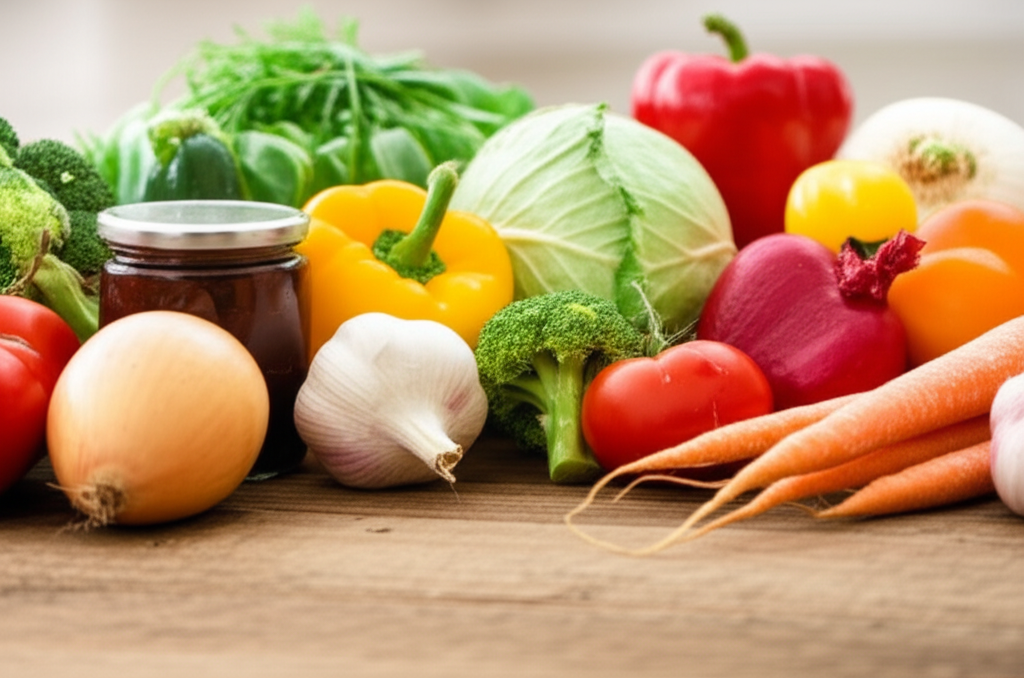
In the world of personal finance, one of the most practical ways to save money is by changing your kitchen habits. With food costs still climbing in 2026, frugal meal planning has become something worth trying. This approach helps you stick to a budget, reduces food waste, and frees up money for other priorities like emergency savings or paying off debt. By using a few simple strategies, you can turn your weekly grocery runs into real savings without giving up good nutrition or taste.
The Basics of Frugal Meal Planning
Frugal meal planning starts with knowing what you actually spend. Track your food spending for a week or two. You might be surprised how much goes to impulse buys or food that gets thrown away. Once you have a clear picture, set a realistic grocery budget—try aiming for 10-15% of your monthly expenses. The goal is saving you can maintain, not cutting back so much that it hurts.
One real benefit is cutting down on food waste. Research shows the average household throws away about 20% of the food they buy. Planning meals around what's in season or on sale makes a difference. If tomatoes are cheap at your local market, build your week's meals around them. This saves money and pushes you to get creative in the kitchen.
Tools and Techniques That Work
You don't need expensive tools to start. A basic notebook or a free app like MealPrepPro works fine. Create a weekly meal calendar that covers breakfast, lunch, dinner, and snacks. This keeps everyone in the house accounted for and cuts down on the temptation to order takeout.
Here are some techniques worth trying:
- Batch Cooking: Make large amounts of ingredients like rice or beans that work in multiple meals. This saves time and means you aren't cooking from scratch every single night.
- Check Your Pantry First: Before shopping, see what you already have. Use what you have before buying more to avoid duplicates.
- Shop for What's in Season: Produce that's in season costs less and tastes better. In February 2026, root vegetables like carrots and potatoes are typically very affordable.
- Plan Portions: Build meals around actual serving sizes so you don't buy too much. This one change alone can cut your grocery bill by 10-20%.
Don't forget to use leftovers creatively. Turn last night's roasted chicken into today's salad or sandwiches. That stretches your food budget further.
Smart Shopping Strategies
How you shop matters as much as what you put on your list. Compare prices at different stores or use online tools to find the best deals. Sign up for loyalty programs and store newsletters to get access to coupons and weekly specials. In 2026, several apps give you cashback just by scanning your receipts—that's free money back on things you'd buy anyway.
Try these approaches:
- Buy in Bulk: For items you use a lot, like oats or pasta, buying bigger packages usually means a lower price per unit. Just make sure you'll use them before they go bad.
- Store Brands Work: Generic or store-brand products are often made in the same factories as name brands but cost half as much.
- Stick to Your List: Create a shopping list based on your meal plan and only buy what's on it. This keeps you from wandering aisles and grabbing things you don't need.
- Farmer's Markets: Local markets often have fresh produce at better prices than supermarkets. In early 2026, winter greens are a good deal in many areas.
- Digital Coupons: Apps like Flipp or Coupons.com let you stack savings. Using them together can reduce your bill by 15-25%.
Track your spending after each trip to the store. That way you can see what's working and adjust your approach.
Budget-Friendly Recipes
Now for the fun part—actually making meals. These three recipes cost very little and taste good.
Overnight Oats Parfait works great for breakfast. Mix half a cup of rolled oats with half a cup of yogurt and add a chopped apple. Sprinkle some cinnamon on top. Put it in a jar overnight. Each serving costs under a dollar and you can make several at once.
- Ingredients: 1/2 cup oats, 1/2 cup yogurt, 1 apple (chopped), cinnamon.
- Steps: Combine everything in a jar, refrigerate overnight, grab and go in the morning.
Bean and Vegetable Soup feeds a family of four for under $5. It's hearty and uses cheap ingredients.
- Ingredients: 1 can beans, 2 carrots, 1 onion, vegetable broth.
- Steps: Sauté the onion, add chopped carrots and broth, dump in the beans, simmer for 20 minutes.
Stir-Fried Veggies with Rice is perfect for using up whatever vegetables you have sitting around.
- Ingredients: 1 cup cooked rice, mixed veggies (broccoli, bell peppers work well), soy sauce.
- Steps: Stir-fry the veggies, add cooked rice, splash soy sauce, toss together. Takes about 10 minutes.
These recipes use affordable ingredients that still give you decent nutrition.
A Weekly Meal Planning Template
To make meal planning a habit, build a simple template. Divide your week into days and write down what you'll eat for each meal, plus the ingredients you need. Here's a basic example:
- Monday: Breakfast - Overnight Oats; Lunch - Leftover Soup; Dinner - Stir-Fry.
- Tuesday: Use frozen veggies instead of fresh to save money.
- Leave one day open for flexibility—when plans change, your grocery money shouldn't go to waste.
Every two weeks, look back at what worked and what didn't. Tweak your approach based on what your household actually ate. This is how you get better at budgeting over time.
How Meal Planning Fits Into Bigger Financial Goals
Meal planning isn't just about spending less at the grocery store. The money you save adds up fast—some families save $200 or more each month by planning meals instead of improvising. That money can go toward an emergency fund, paying off credit cards, or other financial priorities.
2026 Update
Since this article was first written, AI-powered meal planning apps have gotten much better at suggesting recipes based on what you already have in your pantry. Some will even generate shopping lists that automatically adapt to weekly sales at stores near you. Also, several grocery chains have expanded their discount programs in early 2026, making it easier to stack savings if you take a few minutes to compare prices online before you shop.
If you want to improve your finances, start with your grocery list. Plan a few meals this week, see how much you save, and build from there. Small changes in the kitchen really do add up to real money in your pocket.