As we step into 2026, you don’t need to drain your wallet to explore new places. With costs rising everywhere, learning to travel frugally helps you have real adventures while still hitting your money goals. This article covers practical budgeting tips and money-saving strategies that actually work, so you can travel smart without giving up the experiences that matter.
Why $1 Travel Matters for Your Money
In personal finance, every dollar you save adds to your long-term stability. $1 travel isn\'t about skipping fun—it\'s about making choices that fit your budget. Travelers who use frugal strategies can cut their expenses by up to 50%, which frees up money for emergency funds or investments. In 2026, with $1 uncertainty around, these hacks matter more than ever.
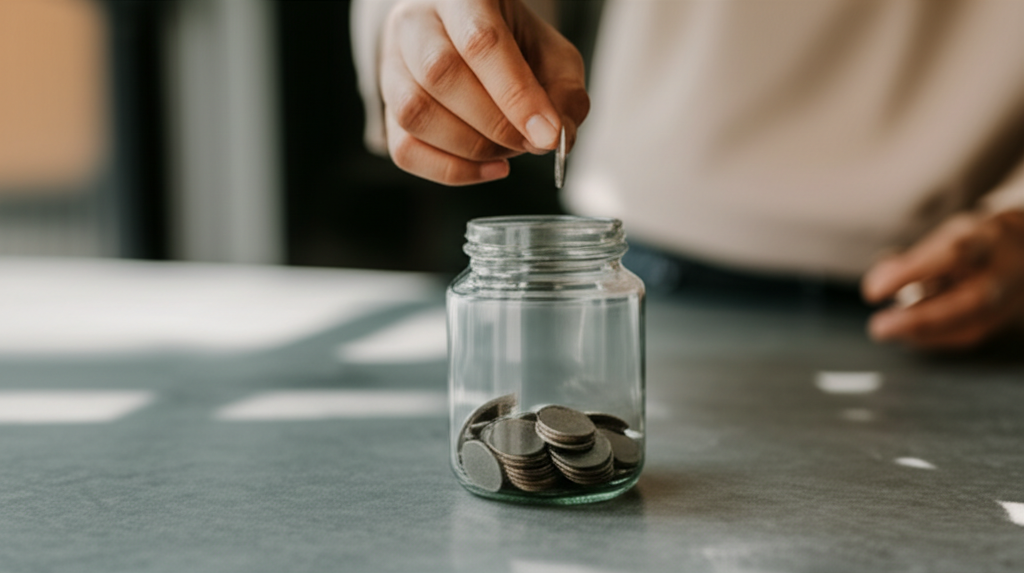
Start by looking at your overall financial health. Before booking anything, check your monthly budget and set aside a specific amount for travel. This might mean eating out less at home or canceling subscriptions you don\'t really use, then putting that money toward your adventure fund. Be consistent—treat travel savings like a bill, automating transfers to a separate account so you\'re not tempted to spend it.
Planning Your Trip on a Budget
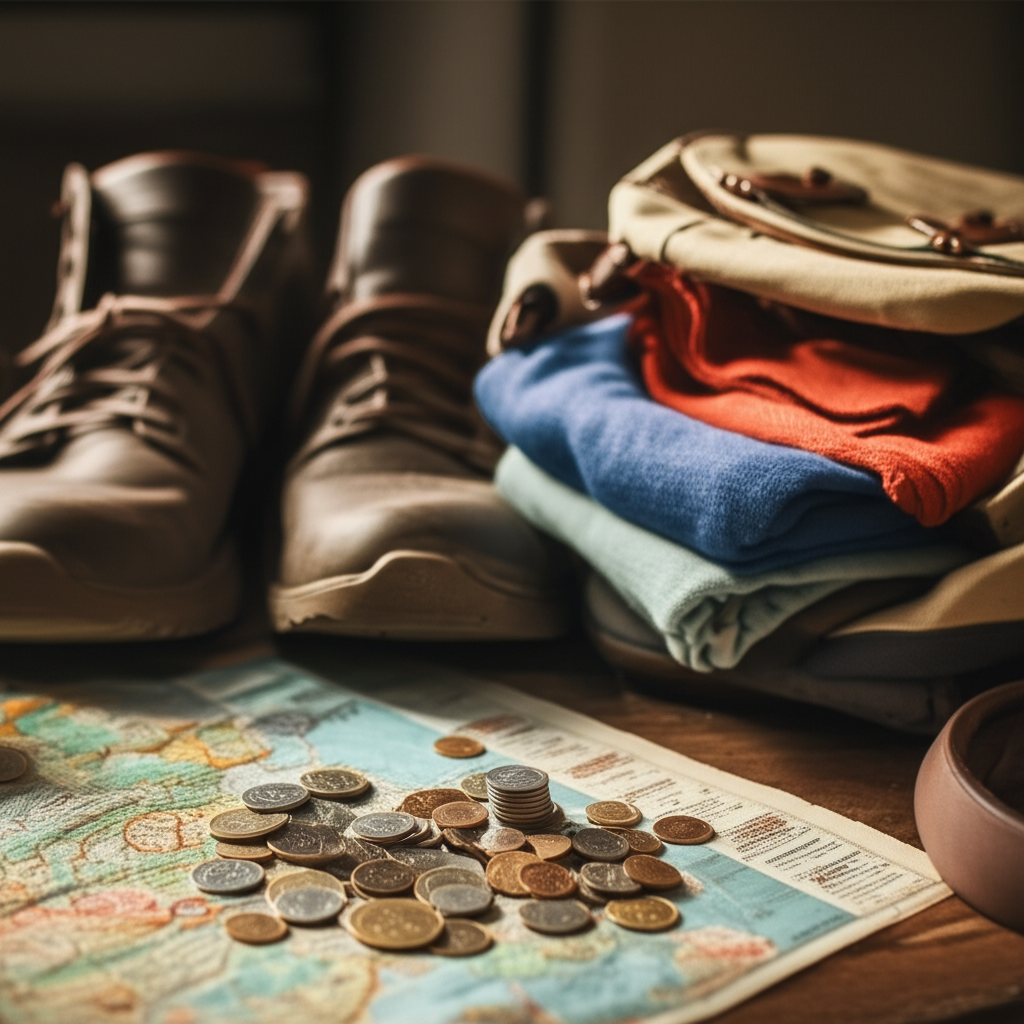
The foundation of frugal travel is solid planning. First, set clear goals: Where do you want to go, and what can you actually afford? Use free online tools and apps to compare prices and track deals. Sign up for price alerts on flight comparison websites to catch last-minute discounts—you can save hundreds on airfare this way.
Travel during off-peak seasons. In 2026, that means skipping major holidays and school breaks when prices spike. You\'ll save money and deal with fewer crowds, which makes the trip better. Build a detailed itinerary that focuses on free or low-cost activities like hiking in national parks or visiting public museums—many have small entry fees or are completely free.
- Look for destinations where your money goes further.
- Use budgeting apps to track spending and adjust plans as needed.
- Set a daily spending limit and prioritize essentials like food and transport first.
Getting Around Cheaply
Transportation often takes the biggest slice of your travel budget, but you can cut these costs. Choose budget airlines or trains instead of premium options—many now offer basic fares with just the essentials, so pack light and skip extra fees. In 2026, new options like shared rides and electric vehicle rentals are becoming more affordable.
Book multi-modal trips, mixing buses, trains, and walking instead of relying on flights. If you\'re traveling within a continent, a Eurail pass gives you unlimited travel for one fixed price—much cheaper than individual tickets. Don\'t ignore loyalty programs either. Points from everyday spending can mean free flights or upgrades.
- Compare prices across several platforms before booking.
- Pack only what fits in a carry-on to dodge baggage fees.
- Try carpooling apps to split ride costs with others.
Where to Stay Without Overspending
Finding affordable places to stay makes or breaks your budget. In 2026, peer-to-peer platforms make it easy to find budget options. Hostels, guesthouses, and homestays with shared rooms cost far less than hotels. You\'ll also meet locals this way, which makes travel richer.
Try house-sitting or home-swapping—stay in someone\'s home free while you look after it. You need to plan ahead, but this changes the game for longer trips. Always factor in hidden costs like cleaning fees and read reviews carefully. Choose simple rooms over luxury suites and you\'ll keep your finances on track.
- Book early to lock in lower rates and avoid surge pricing.
- Pick places with kitchens so you can cook your own meals.
- Use credit card rewards to cover lodging costs.
Eating Well Without Spending Much
Food can wreck your budget fast, but you can eat well without overspending. Shop at local markets for fresh ingredients and cook in your accommodation. This saves money and gives you a more authentic experience.
Many destinations in 2026 have amazing street food that\'s cheap and delicious. Eat like locals do—skip tourist restaurants and go to family-run places where portions are big and prices are fair. Track your food spending daily so you don\'t get surprised. Pack non-perishable snacks from home to hold you over between meals.
- Cook basic meals in your accommodation instead of eating out constantly.
- Look for happy hours or lunch specials for cheaper meals.
- Carry a reusable water bottle instead of buying drinks.
Handling Unexpected Costs
Things go wrong—medical emergencies, lost bags, canceled flights. Build a small emergency fund specifically for travel to handle these situations. This fits with good personal finance habits so you\'re not caught off-guard.
Buy travel insurance that covers the basics without costing too much—many affordable plans give you peace of mind. Use cash-back apps and reward credit cards for travel purchases to turn expenses into savings. Stay alert and ready to adapt, and you\'ll handle problems while keeping your budget intact.
2026 Update
Airlines have started charging more for basic economy seats in 2026, and several European cities now charge tourist taxes on accommodations. Budget an extra 10-15% for these new fees when planning your trips.
Final Thoughts
Using these frugal travel strategies changes how you approach adventures in 2026. Focus on budgeting, saving money, and making smart choices—you\'ll travel more affordably and build habits that help your overall financial health. Every dollar you save brings you closer to financial freedom and more trips ahead.
When you plan your next journey, think about these strategies and adapt them to your situation. With some discipline and creativity, frugal travel becomes a valuable part of your money toolkit. You don\'t need a big budget to make memories that last.