Groceries are a significant part of any household budget, and with prices continuing to fluctuate in 2026, finding ways to save on food costs is more important than ever. If you’re looking to tighten your budget without sacrificing nutrition or variety, you’re in the right place. In this article, we’ll explore 12 innovative strategies to slash your grocery bill while maintaining a frugal lifestyle. Let’s dive into these practical, actionable tips that will keep more money in your pocket!
1. Master the Art of Meal Planning
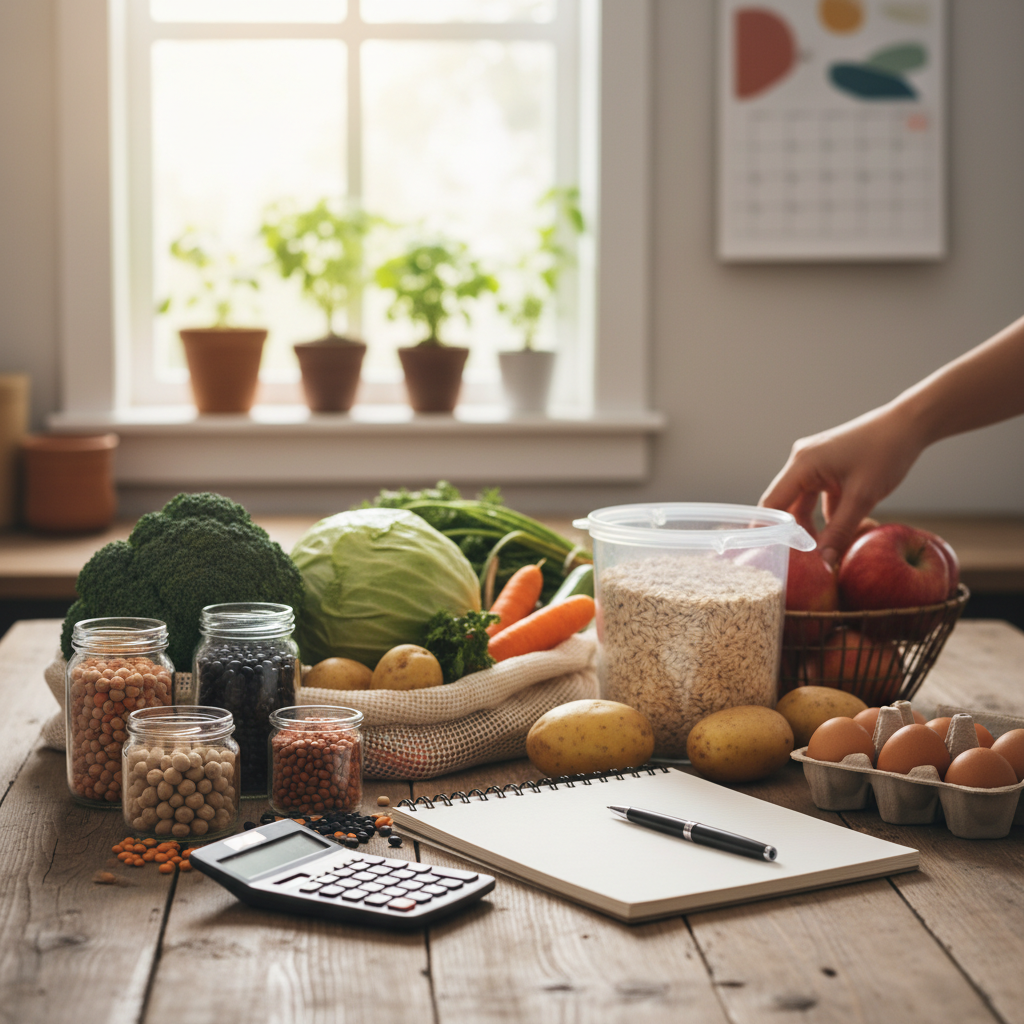
Meal planning is a cornerstone of frugal living. By deciding what you’ll eat for the week ahead, you can create a precise shopping list and avoid impulse buys. Start by checking your pantry and fridge for ingredients you already have, then build meals around those items. This strategy not only reduces waste but also ensures you’re only buying what you need. Dedicate 30 minutes each week to plan, and watch your grocery expenses shrink.
2. Embrace Bulk Buying for Staples
Buying in bulk can be a game-changer for non-perishable items like rice, pasta, beans, and canned goods. Warehouse stores or local co-ops often offer significant discounts on bulk purchases. Just be cautious—only buy items you know you’ll use before they expire. Split bulk buys with friends or family if storage is an issue, and enjoy the long-term savings.
3. Shop with a Seasonal Mindset
Seasonal produce is typically cheaper and fresher than out-of-season items. In 2026, make it a habit to check what fruits and vegetables are in season before heading to the store. For example, buy apples and pumpkins in the fall, and strawberries in the spring. Not only will you save money, but you’ll also enjoy better-tasting food. Many grocery stores publish seasonal guides online—use them to your advantage!
4. Leverage Store Loyalty Programs
Most grocery chains offer loyalty programs that provide exclusive discounts, coupons, or points for future savings. Sign up for free and always scan your card or app at checkout. Some programs in 2026 even offer personalized deals based on your shopping habits. Combine these offers with sales for maximum impact on your grocery bill.
5. Hunt for Markdowns and Clearance Items
Many stores mark down items nearing their expiration date or overstocked products. Look for clearance racks or “manager’s special” stickers, especially on meat, dairy, and baked goods. If you can use or freeze these items quickly, you’ll score major savings. Timing is key—shop early in the morning or late in the evening when markdowns are often applied.
6. Go Generic Whenever Possible
Brand-name products often come with a hefty price tag, but generic or store-brand alternatives are usually just as good. From cereal to cleaning supplies, compare ingredients or quality and opt for the cheaper option. In 2026, with inflation still a concern for many, switching to generics can cut your grocery bill by 20-30% without noticeable differences.
7. Use Cashback and Coupon Apps
Technology is your friend when it comes to saving money. Apps like Ibotta, Rakuten, or store-specific apps offer cashback or digital coupons on everyday purchases. Before shopping, browse these platforms for deals on items you’re already planning to buy. Stack these savings with in-store promotions for even bigger discounts. It’s a small effort for a big payoff!
8. Limit Convenience Foods
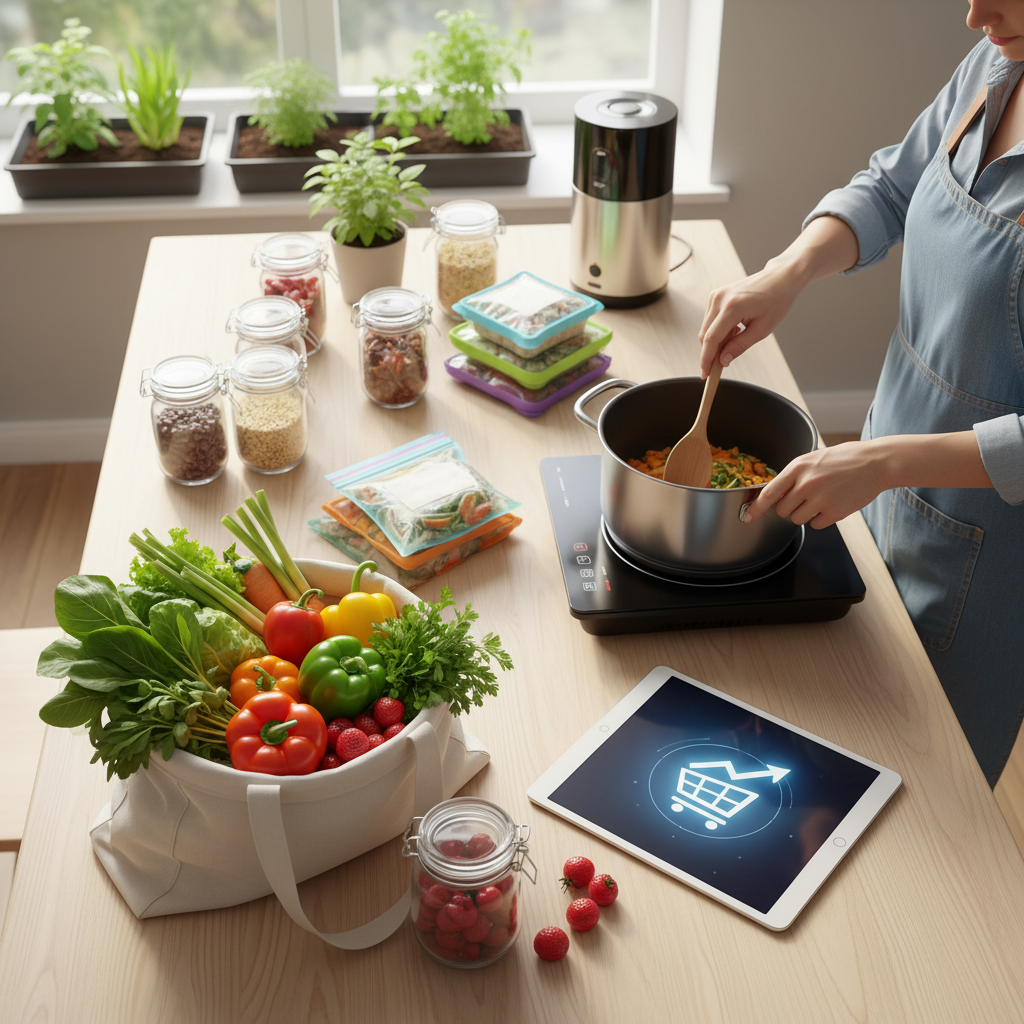
Pre-cut vegetables, ready-to-eat meals, and individually packaged snacks are convenient but expensive. Instead, invest a little time in preparing your own food. Buy whole vegetables, cook in bulk, and portion out snacks yourself. Not only will this save money, but it’s often healthier too. In 2026, with time being a premium, batch cooking on weekends can be a lifesaver for both your budget and schedule.
9. Grow Your Own Herbs and Veggies
If you have even a small space, consider growing your own herbs like basil, mint, or parsley. These are pricey at the store but incredibly easy to cultivate at home, even on a windowsill. If you’ve got a yard, start a small vegetable garden with low-maintenance crops like lettuce or zucchini. The upfront cost is minimal compared to the savings over time.
10. Shop at Discount Grocers
Discount grocery stores like Aldi or Lidl often have lower prices than traditional supermarkets. They may not carry every brand or item, but their focus on efficiency means savings for you. In 2026, these stores continue to expand, offering more locations and online options. Make them your go-to for basics and supplement with other stores only when necessary.
11. Stick to the Perimeter of the Store
Ever notice that the healthiest and often cheapest foods—produce, meat, dairy—are located around the perimeter of most grocery stores? The inner aisles are typically filled with processed, overpriced items. Stick to the outer edges for fresh, budget-friendly options, and only venture into the aisles for specific necessities. This simple trick helps avoid temptation and keeps your cart frugal.
12. Track Your Spending and Adjust
Finally, keep tabs on your grocery spending with a budgeting app or a simple spreadsheet. Review your receipts weekly to see where you’re overspending and adjust accordingly. Maybe you’re buying too many snacks or not taking advantage of sales. Awareness is the first step to improvement. Set a realistic grocery budget for 2026 and challenge yourself to stick to it, tweaking as needed.
Final Thoughts on Slashing Your Grocery Bill
Saving money on groceries doesn’t mean you have to skimp on quality or go hungry. By implementing these 12 innovative strategies, you can significantly reduce your food expenses while still enjoying nutritious and delicious meals. Start small—pick two or three tips to try this week—and build from there. Frugal living is all about making intentional choices, and your grocery bill is a great place to begin. How will you start saving today? Let us know your favorite tip in the comments below!