In 2026, digital payments and budgeting apps are everywhere—and honestly, it's easy to let spending get out of control. But here's something that might surprise you: a method your grandparents used is actually making a comeback. The envelope system, where you divide cash into physical envelopes labeled for different expenses, works remarkably well when you want to actually see where your money goes. I've tried it myself, and there's something powerful about holding real cash that apps just can't replicate.
What is the Envelope System and Why It Still Works
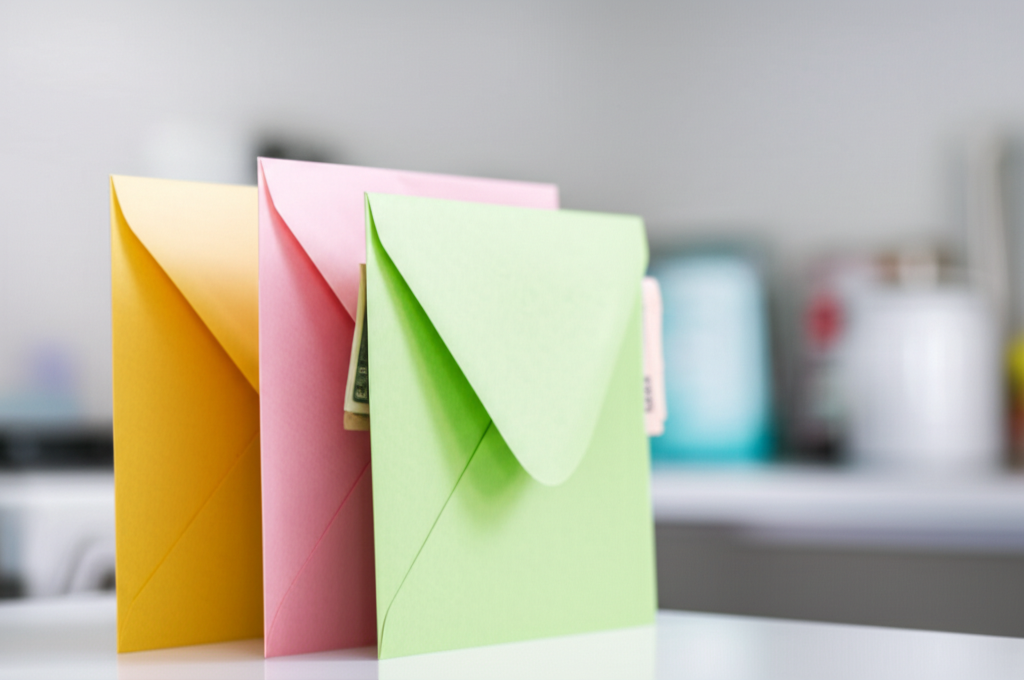
The envelope system is simple. You take your cash and split it into envelopes marked for categories like groceries, utilities, entertainment—whatever matters to you. When an envelope is empty, you stop spending in that category until next month. No more wondering where your money went or watching your bank account drain quietly.
Here's what's interesting: studies show people who use tangible budgeting methods stick to their plans better than those who rely solely on apps. There's a psychological element to physically handing over cash that makes you think harder about each purchase. In a world of contactless payments and one-click buying, that friction is actually a feature, not a bug.
Why This Method Makes Sense Right Now
Let me be direct—2026 has some real financial challenges. Inflation, subscription services that pile up, the temptation of easy digital spending. The envelope system fights all of that by making you visualize your money. If you've only got $200 for dining out, you'll notice when you're burning through it on takeout. That awareness changes behavior fast.
You don't need anything fancy either. Envelopes, cash, and a willingness to track things. That's it. This is perfect if you want to get better with money without learning complicated systems or downloading five different apps.
10 Practical Tips to Make the Envelope System Work in 2026
Here's how to actually use this method in modern life:
- Audit your spending first: Pull up your bank statements from the last three months. Look for patterns—where does money actually go? Housing, food, transportation, subscriptions. Then allocate percentages: the standard 50/30/20 works well (50% needs, 30% wants, 20% savings).
- Try digital envelopes if cash feels strange: Not everyone wants to carry around cash in 2026. Apps like YNAB let you create virtual envelopes that work the same way mentally. You still see categories and limits, but you can pay with your phone.
- Plan for seasonal costs: Holidays, summer trips, birthday presents—they all hit hard if you're not ready. I suggest adjusting your envelopes every quarter to account for these predictable expenses.
- Automate your savings first: Set up automatic transfers to savings before you do anything else. This removes the temptation to skip saving because you "forgot" or ran out of money.
- Write goals on your envelopes: This sounds small, but it matters. Instead of just "entertainment," write "entertainment - vacation fund." You're more likely to stick with it when you remember what you're actually working toward.
- Stack discounts and coupons: Use apps like Honey or Rakuten when you shop. That extra cash back goes further when your envelope is already tight.
- Review every week: Sunday evenings work well. Check which envelopes are doing fine and which are already empty. Adjust for next week based on what you learn.
- Don't forget fun money: Budgeting fails when it feels punishing. Set aside a small envelope for guilt-free spending—coffee, movies, whatever you enjoy. This keeps you from burning out and quitting entirely.
- Find your community: Facebook groups, local buy-nothing groups, Reddit communities—there's real value in talking to others who are working on the same goals. You learn tricks that never occur to you otherwise.
- Celebrate wins and roll over surplus: If you spent less than allocated in any category, move that money to debt payoff or savings. The momentum feels good, and it keeps you motivated.
Common Problems and How to Solve Them
Let's be honest—the envelope system isn't perfect. Carrying cash feels weird when everyone else is tapping their phones. Some people struggle with the temptation to borrow from one envelope to cover another (my advice: don't allow it, or you'll never build the discipline you need).
The fix is blending approaches. Keep some cash envelopes for categories where you overspend most, use digital tracking for fixed bills, and automate what you can. The goal is a system you'll actually follow, not a perfect system you abandon after two weeks.
The payoff is real. Even saving an extra $100 monthly adds up to $1,200 per year. That's a vacation, an emergency fund, or paying down debt faster.
How It Looks in Practice
Here's a真实 example: Sarah, a teacher I know, used the envelope system to tackle $5,000 in credit card debt. She allocated specific amounts to each category, tracked weekly, and cut where she could. The discipline paid off—she paid off the debt in 14 months. Not because she made more money, but because she finally saw where every dollar went.
That kind of transformation is available to anyone willing to try.
2026 Update
Several banks now offer "round-up" programs that work well alongside envelope budgeting—these automatically round purchases to the nearest dollar and stash the difference in savings buckets. Combined with the envelope system, this hands-off approach can boost your savings without much extra effort. Interest rates on high-yield savings accounts remain competitive in early 2026, so moving your envelope savings to one of these accounts could earn you several hundred dollars in passive income this year.
The envelope system isn't some outdated technique—it's a flexible tool that adapts to how you live now. Start with one or two categories, build the habit, and expand from there. Your financial future will thank you.