In a world where every dollar counts, thrifting has become a go-to strategy for people trying to make their money stretch further. Savvy shoppers can stretch their budgets while still getting quality items. In 2026, with costs climbing across the board, learning how to navigate second-hand stores becomes genuinely useful for anyone trying to hold onto their money. I'm exploring practical strategies here that actually work for finding clothing, home goods, and other essentials without the premium price tag.
Why Thrifting Works for Your Budget
Thrifting isn't just about finding cheap stuff—it's about being smart with your money. Consumer reports consistently show you can cut household expenses by 70-90% when you buy second-hand instead of new. That's real money back in your pocket. Beyond the savings, you're also keeping items out of landfills, which benefits everyone.
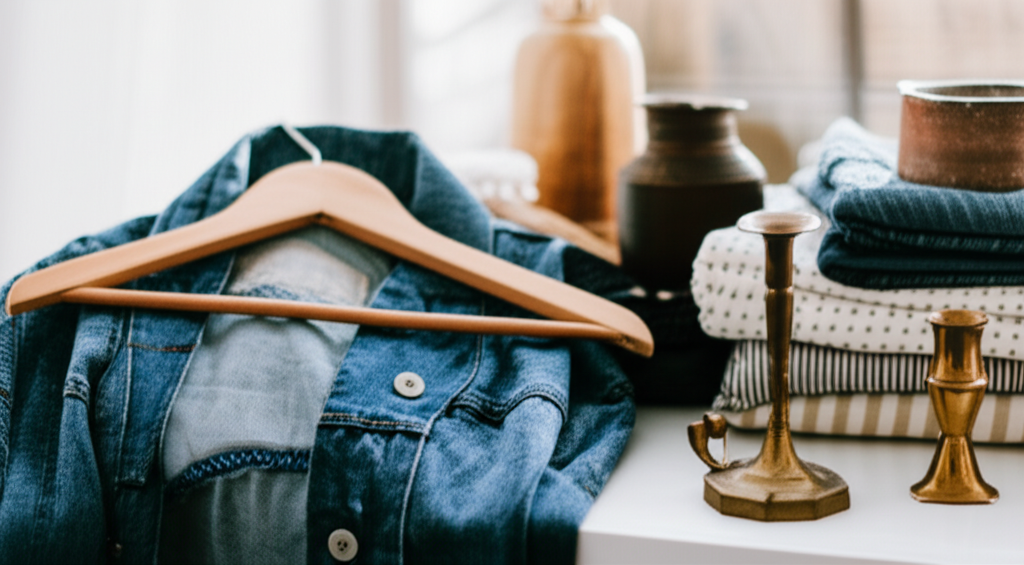
Here's the thing about clothing: it's where most people overspend without realizing it. The average person drops hundreds on new outfits every year. But if you thrift strategically, you can build a solid wardrobe for under $50 monthly and still look great. The same applies to furnishing your home—furniture, kitchenware, and decor all show up at thrift stores for a fraction of retail prices.
When you redirect money from impulse purchases toward an emergency fund or paying off debt, that's where thrifting becomes genuinely powerful. It shifts your whole mindset around spending. You start asking yourself: do I really need to buy this new, or can I find it used?
How to Get Better at Thrifting
Success with thrifting comes down to knowing where to look and when to go. Research local thrift stores in your area, check online marketplaces like eBay and Facebook Marketplace, and don't forget about neighborhood garage sales. Timing matters—weekdays usually mean less competition, and stores often put out fresh inventory on specific days.
Here's what I've learned works best:
- Make a list before you go: Know what you actually need and set a firm spending limit. This stops you from buying things you don't need just because they're cheap. If you're looking for winter coats, focus only on coats—don't get distracted by summer dresses.
- Ask for a discount: Most thrift stores and individual sellers expect some haggling. If something's slightly damaged or you're buying multiple items, politely ask for a lower price. I've turned $20 finds into $10 deals more times than I can count.
- Shop out of season: Buy summer clothes in winter and vice versa. Store them until you need them. This takes planning, but the savings are worth it—you can save hundreds annually.
- Pick quality over trends: A well-made second-hand coat that lasts five years beats buying cheap new coats every winter. Yes, it costs more upfront, but you'll spend less over time.
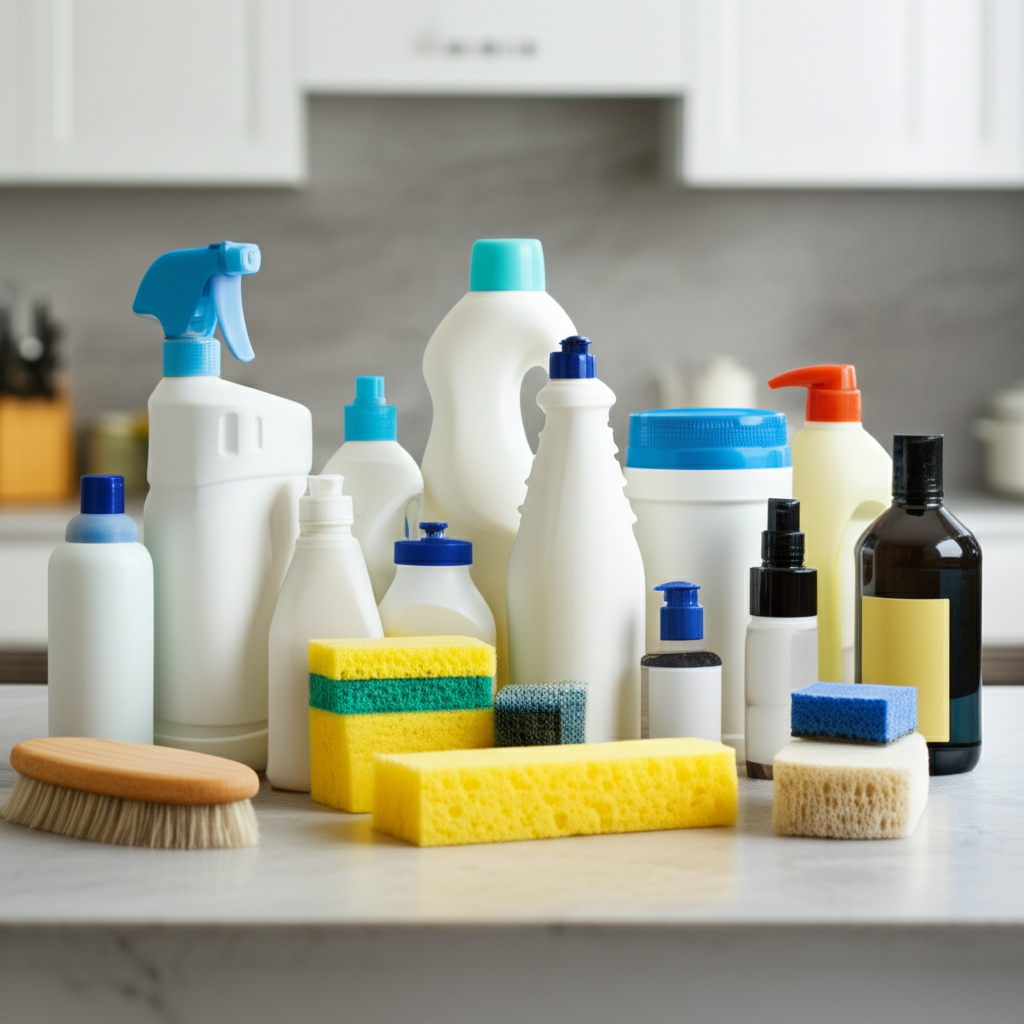
- Clean everything before using it: Wash thrifted clothes with regular detergent. Wipe down furniture with basic household cleaners. This is part of the process—you're not saving money if you have to replace ruined items.
- Use price comparison tools: Apps and websites that aggregate listings help you spot genuine deals. You're not saving money if you spend $15 on something worth $5.
Here's what I tell people: if you make thrifting a weekly habit, you can easily save $500 or more per year on clothes and home goods combined. The key is showing up consistently. Expertise builds over time—you learn which stores have what, when they restock, and what quality actually looks like.
Making Thrifting Part of Your Money Plan
Thrifting works best when it's not just something you do occasionally—it's a deliberate part of how you manage money. Try dedicating 5-10% of your monthly budget to second-hand purchases. Take that money from categories where you can easily cut back, like eating out or streaming subscriptions you don't use.
Let me give you a real example. Say your monthly clothing budget is normally $100. Try spending only $20 on thrifted items and bank the other $80. Over a year, that's nearly $1,000 saved. You could put that toward an emergency fund, pay down credit card debt, or start investing. The math adds up quickly.
Some people find it helpful to set challenges for themselves—no new purchases for 30 days, for instance. This forces you to get creative with what you already own or find it second-hand. Document your savings in a simple spreadsheet. Watching the numbers grow is motivating.
Thrifting also extends beyond clothing and furniture. Second-hand books, electronics, and sporting goods all follow the same principle: why pay full price for something someone else is done using?
What Thrifting Looks Like in Practice
Sarah, a single parent I know, furnished her entire apartment through thrifting in 2025. She saved over $1,000 compared to buying new, which helped her pay off credit card debt months ahead of schedule. Then there's Mike, who needed a professional wardrobe for job interviews. He spent under $200 at thrift stores and landed a role that now pays $70,000 annually. These aren't unusual stories—plenty of people are doing this.
2026 Update
Inflation has kept second-hand shopping more popular than ever. Thrift store chains report their strongest sales years since 2020, and resale apps have added millions of new users. The key insight for 2026: quality second-hand items are getting harder to find as more people shop strategically, so consistency matters more than ever.
Final Thoughts
Thrifting isn't a fad—it's a practical way to build real savings. The tips here work whether you're furnishing your first apartment or trying to get out of debt. Start small. Visit one thrift store this week. See what you find. Your wallet will thank you.