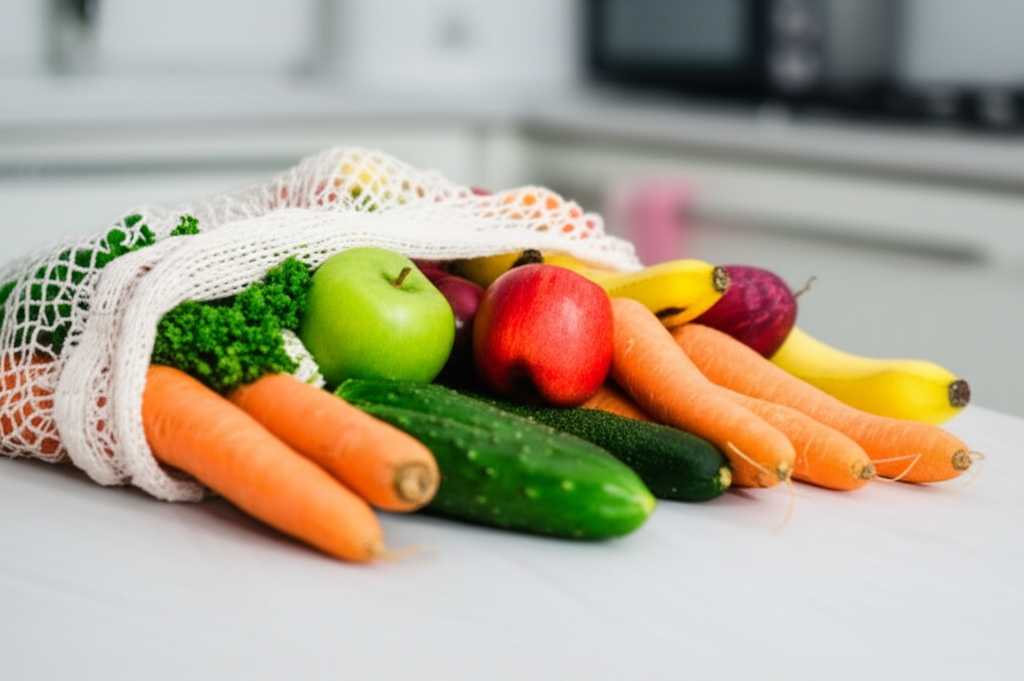
Grocery shopping is one of the biggest expenses in most households, often eating up a significant portion of our monthly budgets. In 2026, with rising costs and economic uncertainties, mastering frugal grocery shopping has become essential for anyone serious about personal finance and long-term savings. This article dives into practical, actionable tips to help you save money without sacrificing quality or nutrition. By adopting these strategies, you can redirect those savings toward your financial goals, whether it's building an emergency fund or paying off debt.
Why Frugal Grocery Shopping Matters for Your Budget
In the world of personal finance, every dollar counts. Groceries are a recurring expense that can quickly spiral out of control if not managed wisely. According to recent data, the average family spends thousands on food each year, but with smart frugal living tactics, you can cut that down significantly. The key is to approach shopping with a mindset focused on value, not just price. This means thinking carefully about what you actually need, planning ahead, and finding ways to get the most for your money.
By focusing on frugal grocery habits, you're not just saving money—you're building a foundation for better budgeting overall. These tips can help you free up cash for other areas of your life, making frugal living a sustainable lifestyle rather than a temporary fix.
Create a Meal Plan and Stick to a Shopping List
One of the most effective budget hacks is to start with a solid meal plan. Before you even step foot in the store, take time to plan your meals for the week. This simple step can reduce impulse buys and food waste, both of which drain your wallet.
Begin by reviewing what you already have in your pantry and fridge. Make a list of ingredients needed for your planned meals, and stick to it religiously. Research shows that families who meal plan save up to 20-30% on their grocery bills. For instance, if you're planning dinners around seasonal vegetables, you'll naturally spend less while enjoying fresher, healthier options.
- Tip 1: Use apps or a simple notebook to track meals and create lists.
- Tip 2: Involve the family to ensure everyone agrees on the plan, reducing the chance of last-minute takeout.
- Tip 3: Aim for versatile ingredients that can be used in multiple dishes, like rice or beans, to stretch your budget further.
Use Coupons, Deals, and Loyalty Programs
Coupons aren't just for extreme savers—they're a powerful tool in modern frugal living. In 2026, with digital coupons and apps making it easier than ever, you can unlock significant savings on everyday purchases. Start by signing up for loyalty programs at your favorite stores, which often offer exclusive deals and cashback rewards.
Additionally, websites and apps dedicated to coupons can help you stack savings. For example, combining a manufacturer's coupon with a store sale can cut costs dramatically. Remember, the goal is to be strategic: only use coupons for items you actually need, avoiding the trap of buying extras just because they're discounted.
- Tip 1: Check for digital coupons on apps like Flipp or Coupons.com before heading out.
- Tip 2: Time your shopping trips to coincide with sales cycles, such as end-of-month promotions.
- Tip 3: Join community groups or forums where people share the best deals in your area.
Opt for Generic Brands and Buy in Bulk
Brand loyalty can be expensive. Switching to generic or store-brand products is a classic frugal living tip that can save you 20-50% on many items without compromising quality. In blind taste tests, generics often perform just as well as name brands, making them a smart choice for budget-conscious shoppers.
Buying in bulk is another money-saving strategy, especially for non-perishables like pasta, rice, or canned goods. However, only buy in bulk if you have the storage space and will use the items before they expire. Warehouses like Costco or Sam's Club offer membership deals that can amplify your savings, but always compare unit prices to ensure it's a good deal.
- Tip 1: Compare nutrition labels to ensure generics meet your standards.
- Tip 2: Stock up on staples during sales to combine bulk buying with discounts.
- Tip 3: Split bulk purchases with friends or family to share costs and avoid waste.
Shop Seasonally and Locally for Fresh Savings
Seasonal produce is not only fresher and tastier but also cheaper. In 2026, with a growing emphasis on local farming, shopping at farmers' markets or community-supported agriculture (CSA) programs can yield big savings. These options often undercut supermarket prices while supporting your local economy, which is a nice bonus.
For example, buy apples in the fall when they're abundant and inexpensive, then preserve them for later use. This approach reduces costs and encourages healthier eating habits, which is a win for your overall personal finance strategy.
- Tip 1: Check seasonal guides online to know what's in season in your region.
- Tip 2: Visit farmers' markets early for the best selections and negotiate prices if possible.
- Tip 3: Preserve extras through canning or freezing to extend their usability and cut future expenses.
Minimize Food Waste to Maximize Savings
Food waste is a hidden enemy of frugal living, contributing to both environmental and financial waste. The average household throws away about 20% of the food they buy, which translates to wasted money. By implementing simple strategies to reduce waste, you can keep more cash in your pocket.
Start by properly storing leftovers and getting creative with meal repurposing. Turn last night's vegetables into a soup or use stale bread for croutons. Apps that track your fridge contents can help you use ingredients before they spoil, turning potential waste into savings.
- Tip 1: Practice FIFO (First In, First Out) with your pantry items.
- Tip 2: Compost scraps if possible, reducing waste and potentially saving on gardening costs.
- Tip 3: Track your waste for a week to identify patterns and adjust your shopping habits accordingly.
Use Technology to Enhance Your Frugal Shopping
In 2026, technology is a frugal shopper's best friend. From budgeting apps that track your spending to AI-powered tools that suggest deals, there's no shortage of digital helpers. Use grocery price comparison apps to find the cheapest options nearby, or set up alerts for price drops on your favorite items.
Integrating these tools with your overall personal finance app can provide a holistic view of your budget, ensuring that grocery savings contribute to your larger financial goals. Remember, the key is to use technology mindfully to avoid overspending on gadgets themselves.
- Tip 1: Download apps like Grocery Pal or Ibotta for cashback on purchases.
- Tip 2: Use barcode scanners in stores to compare prices instantly.
- Tip 3: Automate reminders for shopping lists to stay organized and efficient.
Putting It All Together: Your Path to Frugal Success
Implementing these frugal grocery shopping tips can lead to substantial savings, potentially hundreds of dollars per month. The beauty of frugal living is that it's about making intentional choices that align with your values and financial aspirations. Start small, track your progress, and adjust as needed to see real results in your personal finance journey.
By 2026, with these strategies in place, you'll not only be saving money but also enjoying a more mindful and rewarding approach to everyday life. Remember, every frugal choice adds up, paving the way for a more secure and prosperous future.
2026 Update
Grocery prices have continued to fluctuate in early 2026, with some areas seeing increases of 3-5% on staples. However, discount grocery chains and warehouse clubs have reported record membership growth, suggesting more people are embracing budget-conscious shopping. Apps that compare prices across multiple stores have also become more sophisticated, making it easier than ever to find the best deals without spending hours researchin