If you're looking to boost your budget, utility bills are one of the easiest places to start. These monthly expenses—electricity, gas, water, and waste management—can eat up 5-10% of your income, and prices keep climbing in 2026. I've found that small changes add up fast, and you don't have to give up comfort to see real savings.
Why Utility Bills Are Worth Your Attention
Most households I talk to are surprised by how much they spend on utilities. The average family forks over hundreds each month, and with inflation and new environmental rules pushing rates higher, that number is likely going up. The good news? You have more control than you think.
Start by grabbing your last three months of bills and actually reading them. I know—exciting stuff. But you'll quickly spot patterns, like that spare bedroom you're heating to 72 degrees nobody uses. Fixing leaks, adjusting the thermostat, and simply becoming aware of your habits can save you hundreds per year without much effort.
Energy-Saving Hacks That Actually Work
Electricity and gas are usually the biggest line items. Here's what actually moves the needle:
- Switch to LED Lighting: Those old incandescent bulbs? They're energy hogs. Swap five bulbs for LEDs and you'll save about $75 per year. The bulbs last longer too.
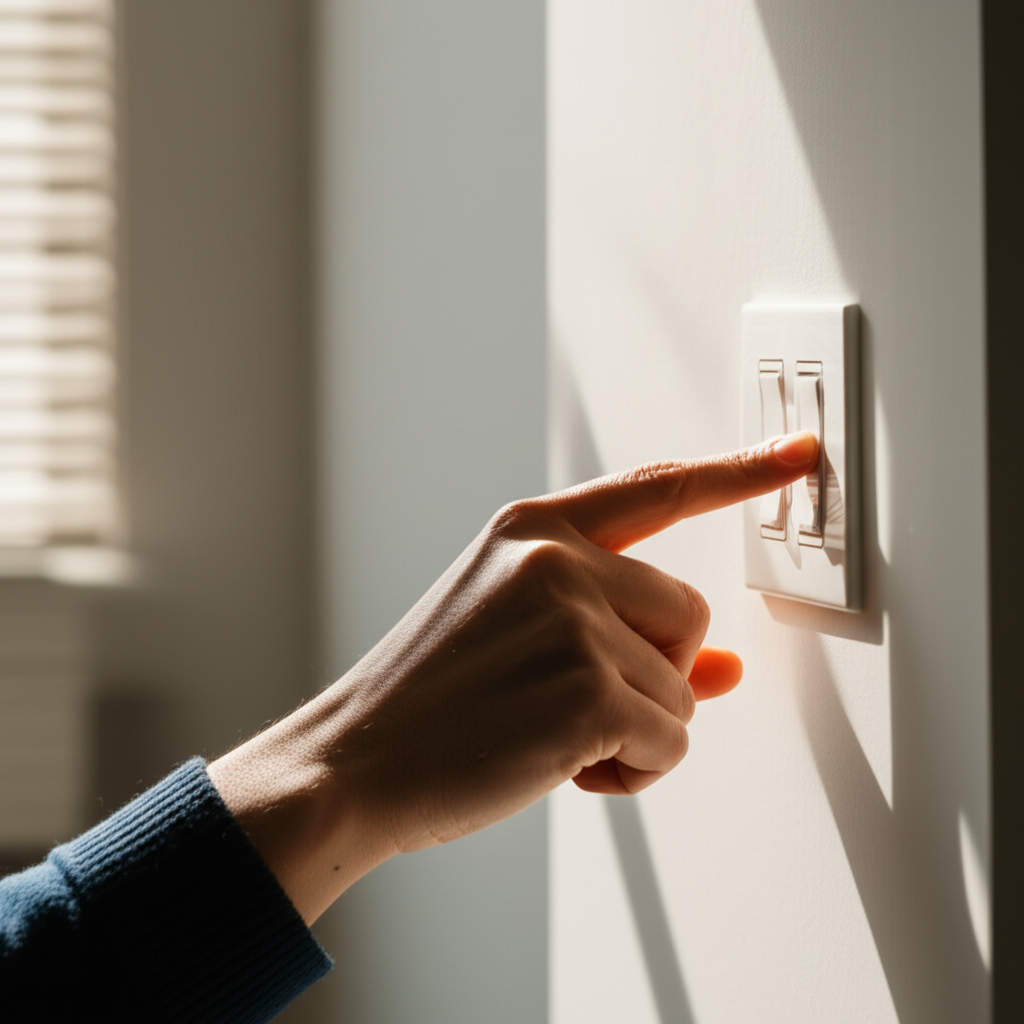
- Unplug Phantom Devices: Your TV, laptop charger, and game console pull power even when "off." I use a power strip and flip it off at night. This alone can shave 5-10% off your bill.
- Adjust Your Thermostat: One to two degrees lower in winter and higher in summer doesn't feel different under a blanket, but it can cut heating and cooling costs by up to 5%.
- Seal Drafts: Weatherstripping costs about $50 at the hardware store. Stopping cold air from sneaking in around doors and windows pays for itself in one heating season.
- Try Solar Gadgets: You don't need panels on your roof. A small solar charger for phones or outdoor lights reduces your draw from the grid.
Track these changes in a simple spreadsheet. After three months, you'll see exactly what's working.
Water Conservation on a Budget
Water bills seem small until they aren't. In areas with rising rates, these habits really matter:
- Fix Leaks Now: That dripping faucet? It's wasting over 3,000 gallons yearly. A $10 washer fix stops the bleed.
- Low-Flow Fixtures: A $20 showerhead uses 25-60% less water. Over a year, that's $100 or more back in your pocket.
- Shorten Showers: Cutting just two minutes each day saves around 4,000 gallons annually.
- Rainwater Collection: A $50 rain barrel waters your garden for free. In dry summers, this really pays off.
- Drought-Resistant Landscaping: Xeriscaping with native plants cuts irrigation needs dramatically.
Check your water meter when nothing's running. If it's moving, you have a leak somewhere.
Negotiate and Bundle Your Services
Providers compete for your business, and that works in your favor. Here's how to take advantage:
First, shop around. Call your current provider and ask what deals they're offering new customers—then ask if they can match it. Bundling internet, phone, and utilities can save you 20%. I personally saved $45/month by bundling my services.
- Check Your Bills: Errors happen. I caught a $12 recurring charge for a service I never signed up for.
- Auto-Pay Discounts: Many companies give 2-5% off for setting up automatic payments.
- Look for Rebates: Federal and state programs in 2026 offer cash back on energy-efficient appliances and home upgrades.
- Use Off-Peen Rates: Run dishwashers and dryers after 9pm when electricity is cheaper.
Be polite but persistent. The worst they say is no.
Waste Management Savings
Don't forget about trash and recycling. These tips are easy to overlook:
- Compost Food Scraps: A backyard compost bin diverts kitchen waste and gives you free fertilizer.
- Know Local Rules: Contaminated recycling bins get hit with fees. Learn what actually goes in.
- Downsize Your Bin: If you're not filling your current trash can, drop to a smaller size.
- Repurpose Before Replacing: Get creative. That glass jar becomes storage. Old towels become pet bedding.
Building Your Utility Budget
Pull all this together by creating a utility category in your monthly budget. Set a target amount for each utility based on last year's usage, then track actual spending. Apps like Mint or YNAB make this painless.
Review quarterly. Summer and winter will always be more expensive—plan for that variance.
2026 Update
Utility rates continued climbing through early 2026, with the average household seeing another 3-4% increase. However, federal tax credits for energy-efficient home improvements remain available through 2027, making now a smart time to invest in upgrades like better insulation or heat pumps. Several states have also expanded low-income assistance programs—if you haven't checked eligibility, it's worth a few minutes online.
Start with one change this week. Add another next month. A year from now, you'll wonder why you didn't start sooner.