As we move through 2026, one of the smartest ways to manage your money is to match your spending with the seasons. Seasonal budgeting isn't just about cutting costs during the holidays—it's a complete approach that helps you plan for expenses, find good deals, and build real financial stability. I want to show you practical tips that actually work for saving money without giving up the things that make life enjoyable.
Why Seasonal Budgeting Matters in 2022
The economy in 2026 keeps shifting, with inflation and seasonal demands affecting most households. Planning ahead for seasonal changes helps you avoid the trap of impulse spending and those surprise costs that pop up. Summer vacations, back-to-school shopping, and winter holidays each create their own financial pressure. A well-organized seasonal budget lets you distribute your resources effectively, turning what could be expenses into chances to actually save.
I've seen households that use seasonal budgeting save 15-20% on their yearly spending. That's a significant chunk of change. This approach also makes you more mindful about money—it teaches you to tell the difference between what you need and what you want, building habits that actually stick around.
Key Principles of Effective Seasonal Budgeting
Before getting into specific tips, let's cover the basics. Track your spending for a full year so you can see patterns—like higher heating bills in winter or travel costs in summer. Use a spreadsheet or budgeting app to organize where your money goes. The point isn't to cut out all fun; it's to enjoy things without going broke.
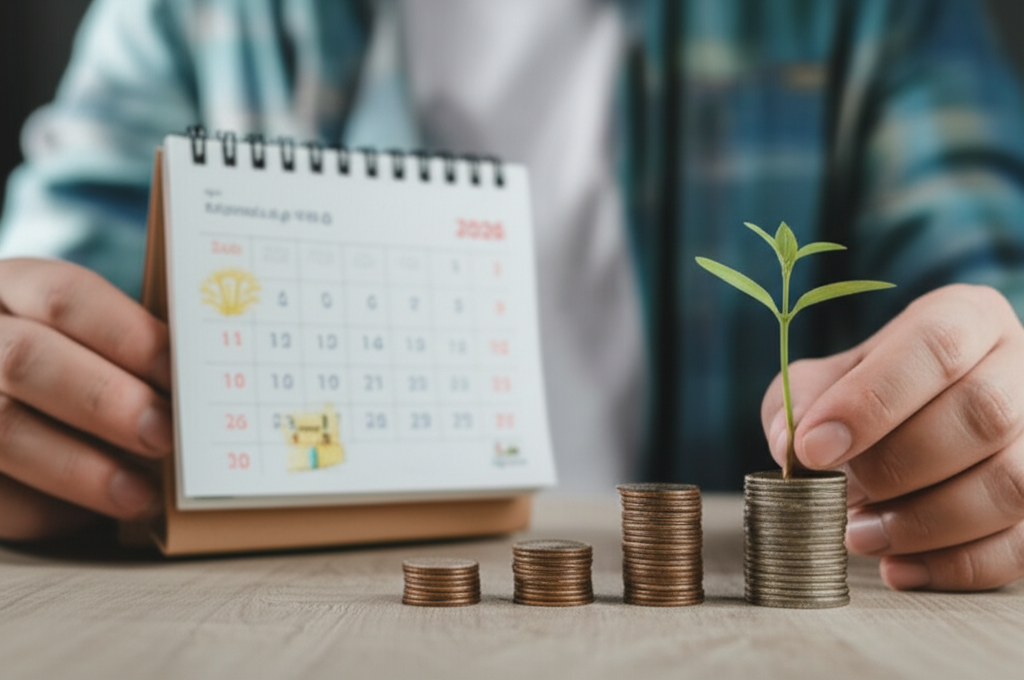
One thing that really helps is setting up a seasonal savings fund. Put aside a small amount each month for upcoming seasonal expenses. This stops you from using emergency savings or piling up credit card debt when the holidays roll around.
Tips for Spring: Revitalizing Your Budget After Winter
Spring feels like a fresh start, and it's a good time to look at your financial goals. Start by checking your winter spending—did you overspend on heating or holiday presents? Use what you learn to make your budget better.
- Garden on a Budget: Grow your own vegetables instead of paying grocery store prices. Seeds cost almost nothing, and you'll eat better while saving money.
- Clothing Swaps: Organize or join a community clothing swap for spring wardrobes. This reduces costs and promotes sustainability.
- Energy Efficiency Hacks: As temperatures rise, switch to energy-saving habits, like using fans instead of AC, to lower utility bills.
These spring strategies can save you hundreds on regular expenses while setting up the rest of your year for success.
Summer Savings: Beating the Heat Without Breaking the Bank
Summer brings vacations, outdoor activities, and higher energy costs from running the air conditioning. But with some planning, you can enjoy the season without financial stress.
- Plan Staycations: Choose local trips over expensive ones. Check out nearby parks, have cookouts at home, or explore your own city—fun doesn't have to cost much.
- Discount Hunting: Summer sales are great for bigger purchases like electronics or clothes. Use deal-tracking apps to find the best prices.
- Meal Prepping for Picnics: Make meals at home instead of eating out. You'll save money and eat healthier too.
- Utility Bill Reductions: Use window coverings or natural cooling to cut AC costs—these habits can save you 10-15% on summer energy bills.
Using these approaches means you can enjoy warm months without the financial headache, and actually build savings instead of debt.
Fall Frugality: Preparing for the Colder Months
As leaves change, your budget should change too. Fall is the time to stock up on necessities and get ready for winter's higher costs.
- Bulk Buying Basics: Stock up on non-perishables like canned goods and toilet paper during fall sales—usually cheaper than holiday pricing.
- Home Maintenance on a Dime: Seal drafts and add insulation yourself using affordable materials from discount stores to lower heating costs.
- Free Fall Activities: Check out harvest festivals and community events that are free or cheap for entertainment.
- Review and Adjust Budgets: Use fall as a checkpoint to review your year's spending and make adjustments for the remaining months.
These fall approaches help you prepare proactively so winter expenses don't catch you off guard.
Winter Wisdom: Holiday Budgeting and Beyond
Winter holidays can drain your budget, but with some preparation, you can celebrate without the financial regrets.
- Gift-Giving on a Budget: Make gifts or set spending limits with family and friends to keep gift-giving affordable.
- Energy-Saving Tactics: Put on a sweater instead of turning up the heat, and use a programmable thermostat to manage energy use.
- Post-Holiday Sales: Wait for after-holiday sales to buy winter essentials at deep discounts.
- Debt-Free Celebrations: Plan how you'll pay for holiday expenses ahead of time so interest doesn't add up.
These winter strategies help you actually enjoy the holidays without starting the new year in debt.
Using Tools and Apps for Seasonal Success
In 2026, technology makes seasonal budgeting much simpler. Apps like Mint or YNAB let you track spending as it happens and set reminders for seasonal costs. Coupon apps and price comparison tools help you find good deals throughout the year.
Add these tools to your routine so your budgeting efforts are organized and actually work.
The Long-Term Benefits of Seasonal Budgeting
Seasonal budgeting does more than save you money right now—it builds lasting financial health. Over time, these habits lower stress, grow your emergency fund, and help you reach bigger goals like paying off debt or saving for retirement.
By using smart seasonal budgeting, you'll handle 2026's financial challenges with more confidence. Start small, keep at it, and watch your savings grow.
2026 Update
Inflation has continued affecting household budgets through early 2026, making seasonal budgeting even more valuable. Several banks now offer sinking fund accounts specifically designed for seasonal expenses, with some paying competitive interest rates. I've been using one myself—it's helped me smooth out holiday spending without touching my regular savings.